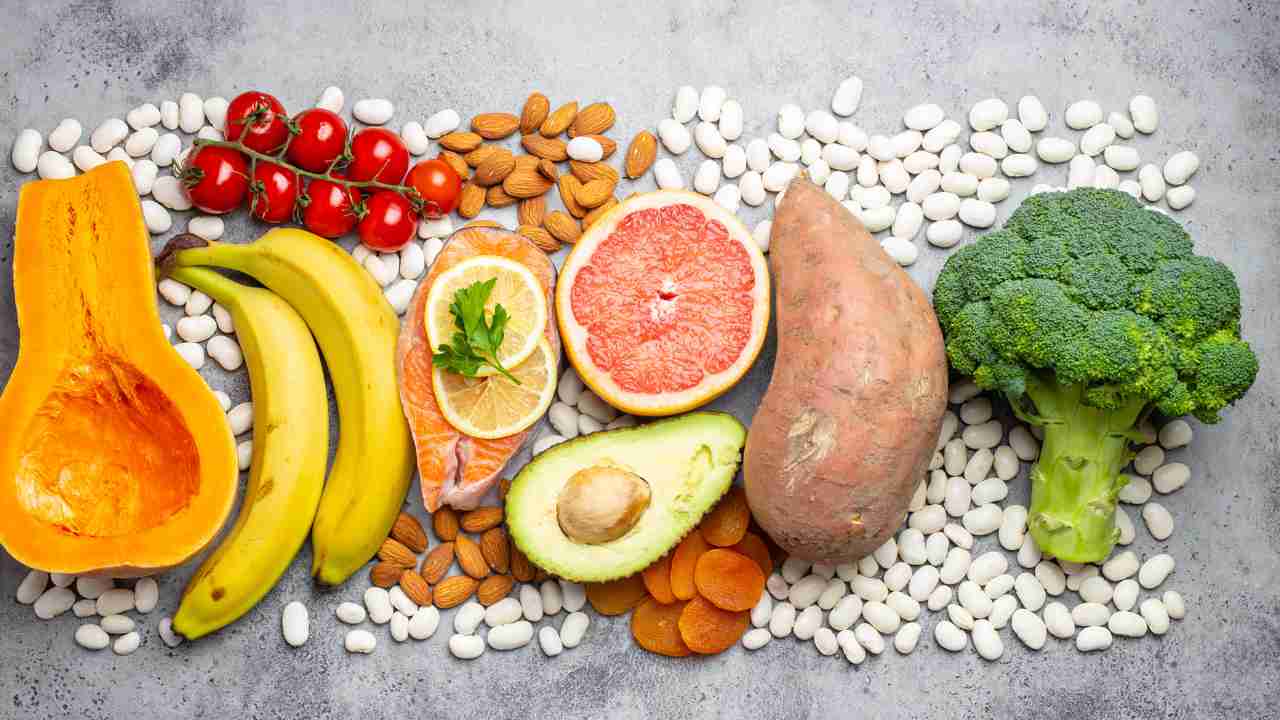
The word "superfood" gets thrown around a lot, but at its core, it simply describes foods that deliver an exceptional amount of nutrients relative to their calorie count. The good news? You don't need to shop at a specialty health food store or spend a fortune to eat well. Most of the most nutrient-dense foods available are already sitting on the shelves of your local Walmart, Kroger, or Publix.
Here are ten superfoods that are genuinely easy to find in any US grocery store — along with simple ways to start eating them today.
Quick TakeawayEating well doesn't require exotic imports. The most evidence-backed superfoods are affordable, widely available, and easy to incorporate into everyday American meals.
1. Blueberries
Fresh, frozen, or dried — blueberries are one of the most antioxidant-rich foods you can buy. They contain anthocyanins, the pigments responsible for their deep blue color, which researchers have studied for their potential role in supporting brain health and reducing oxidative stress.
Easy ways to eat them: Stir into oatmeal, blend into smoothies, eat with Greek yogurt, or simply snack on them by the handful. Frozen blueberries are just as nutritious as fresh and much more affordable year-round.
2. Spinach
Spinach is one of the most nutrient-dense vegetables available. A single cup of raw spinach provides meaningful amounts of iron, folate, vitamin K, and vitamin A — all for almost no calories. It's also a good source of magnesium, a mineral many Americans don't get enough of.
Easy ways to eat it: Add a handful to scrambled eggs, blend into a morning smoothie (you won't taste it), wilt it into pasta, or use it as a salad base.
3. Chia Seeds
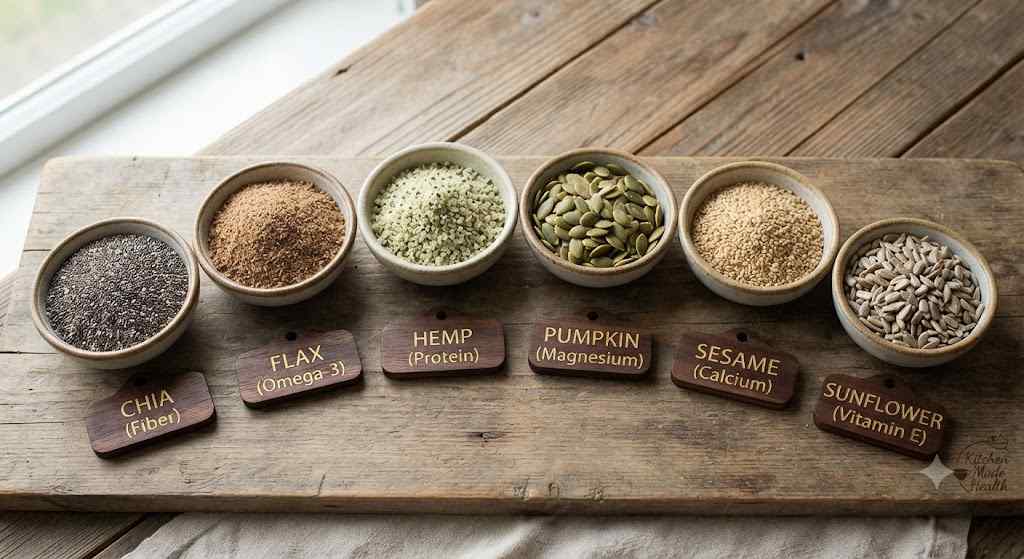
Chia seeds have earned their place on grocery store shelves across the country. Just one ounce contains about 10 grams of fiber, 5 grams of protein, and a good dose of plant-based omega-3 fatty acids. They also absorb up to 10–12 times their weight in water, forming a gel that can support satiety.
Easy ways to eat them: Stir into yogurt or oatmeal, make overnight chia pudding with almond milk, or add to smoothies and baked goods.
4. Walnuts
Among all tree nuts, walnuts stand out for their omega-3 fatty acid content — specifically alpha-linolenic acid (ALA), a plant-based omega-3. Research has explored walnuts in connection with heart health, brain function, and inflammation support. A small handful (about 1 oz) makes a satisfying and nutritious snack.
Easy ways to eat them: Eat plain as a snack, chop over salads, stir into oatmeal, or add to banana bread batter.
5. Sweet Potatoes
Sweet potatoes are rich in beta-carotene — the pigment that gives them their orange color and that your body converts into vitamin A. They're also a good source of fiber, potassium, and vitamin C. Despite their sweetness, they have a moderate glycemic index when eaten whole and unsweetened.
Easy ways to eat them: Bake whole, roast in cubes with olive oil, mash as a side dish, or slice thin for homemade chips.
6. Greek Yogurt
Greek yogurt is one of the most protein-rich dairy foods you can find. A single cup of plain Greek yogurt can provide 15–20 grams of protein, plus calcium and live probiotic cultures that support gut health. Choose plain, unsweetened varieties to avoid added sugars.
Easy ways to eat it: Top with berries and a drizzle of honey, use as a sour cream substitute, blend into smoothies, or use as a base for salad dressings.
7. Salmon (or Canned Salmon)
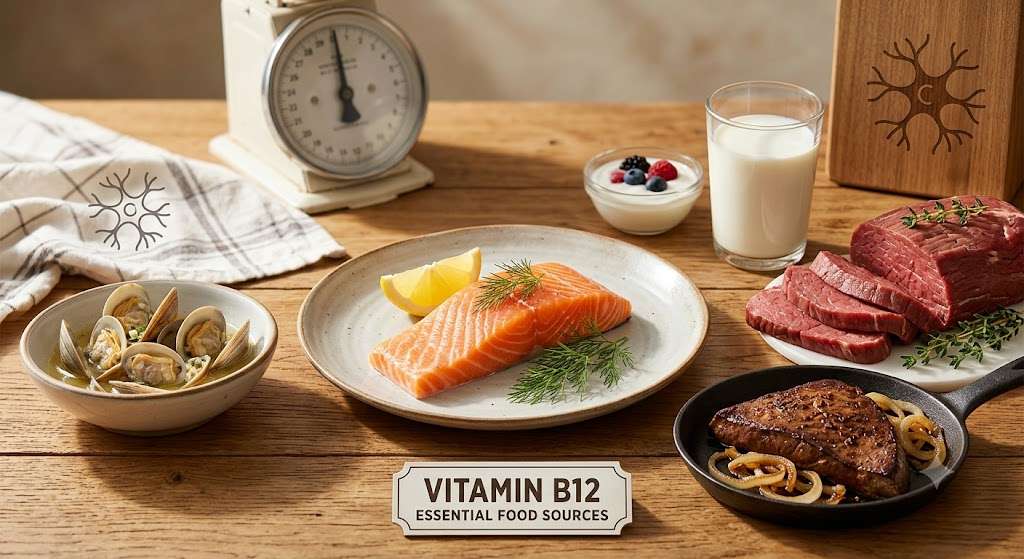
Fatty fish like salmon are among the best sources of long-chain omega-3 fatty acids (EPA and DHA) in the American diet. These fats have been studied extensively for their potential role in supporting heart and brain health. Canned salmon is a budget-friendly alternative to fresh fillets and just as nutritious.
Easy ways to eat it: Bake with lemon and herbs, make salmon patties from canned salmon, or add flaked salmon to salads and grain bowls.
8. Oats
Old-fashioned rolled oats are one of the most accessible and affordable superfoods in any grocery store. They're high in a soluble fiber called beta-glucan, which researchers have studied for its potential to support healthy cholesterol levels. They also provide sustained energy, making them an ideal breakfast food.
Easy ways to eat them: Cook as classic oatmeal, make overnight oats, blend into smoothies, or use as a coating for baked chicken.
9. Garlic
Garlic is one of the oldest and most studied functional foods in the world. It contains allicin, a sulfur compound released when garlic is chopped or crushed, which researchers have explored for its potential effects on immune function and cardiovascular health. Fresh garlic is widely available and inexpensive.
Easy ways to eat it: Sauté in olive oil as a base for nearly any savory dish, roast whole heads until caramelized, or mince into salad dressings and marinades.
10. Black Beans
Black beans are a nutritional powerhouse: one cooked cup provides about 15 grams of protein, 15 grams of fiber, and significant amounts of iron, magnesium, and folate. They're also one of the most affordable items in any grocery store, especially when purchased canned or dried.
Easy ways to eat them: Add to rice bowls, blend into soups, use in tacos and burritos, or mash as a spread on toast.
Building a Superfood Plate
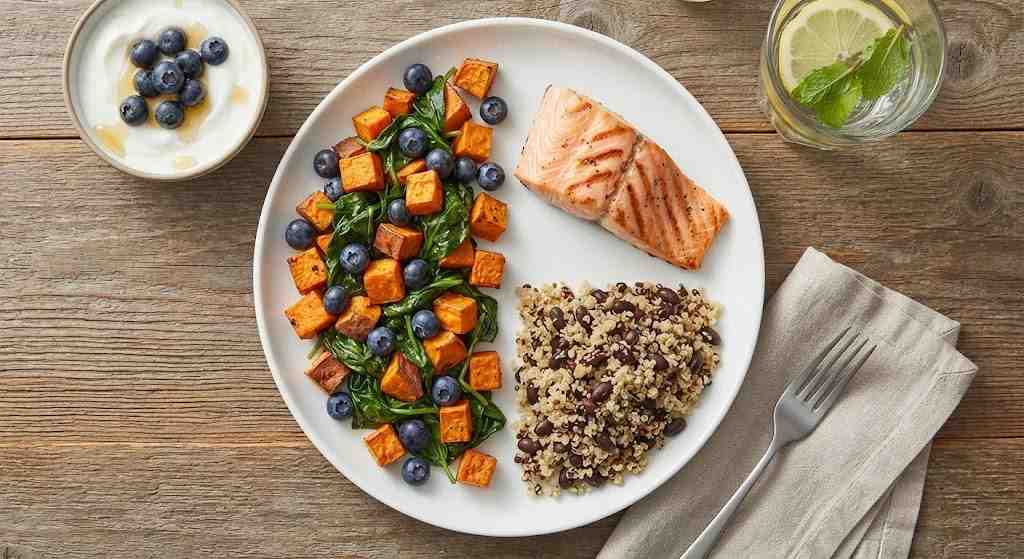
You don't need to eat all ten of these foods every day — even incorporating two or three consistently can meaningfully improve your nutritional intake. A simple approach: aim to fill half your plate with colorful vegetables and fruits (spinach, sweet potato, blueberries), a quarter with quality protein (salmon, Greek yogurt, black beans), and a quarter with fiber-rich whole grains (oats, whole grain rice).
Frequently Asked Questions
Are frozen superfoods as healthy as fresh?
In most cases, yes. Frozen fruits and vegetables are typically frozen at peak ripeness, which preserves their nutritional value well. Frozen blueberries, spinach, and even salmon are excellent budget-friendly alternatives to fresh versions.
How quickly will I notice a difference from eating these foods?
There's no universal timeline, as individual responses vary. Some people notice improvements in energy or digestion within a few weeks of dietary changes. Long-term benefits related to heart health, brain function, and disease risk tend to accumulate over months and years of consistent healthy eating.
Medical Disclaimer: This article is for informational and educational purposes only. It is not intended to diagnose, treat, cure, or prevent any health condition. Always consult a qualified healthcare provider or registered dietitian before making significant changes to your diet.tart writing your guide…