⚕️ Medical Disclaimer: This article is for general informational purposes only and does not constitute medical advice. If you are experiencing chronic stress, anxiety, or any health condition, please consult a qualified healthcare professional before making dietary changes.
This article contains affiliate links. If you purchase through our links, we may earn a small commission at no extra cost to you. This does not influence our recommendations.
Stress has become one of the most common health complaints in the US — and your body has a hormone for it: cortisol.
Small amounts of cortisol are healthy. It helps you wake up in the morning, handle emergencies, and stay focused. But when cortisol stays elevated day after day — because of work pressure, poor sleep, or a constant stream of bad news — it starts working against you.
Chronically elevated cortisol levels are associated with a wide range of health consequences, including depression, insomnia, blood sugar imbalances, and elevated blood pressure. Research also links high cortisol to increased belly fat and memory problems.
The good news? You do not need expensive supplements to start bringing cortisol down. Some of the most effective cortisol-lowering compounds are sitting in your kitchen right now.
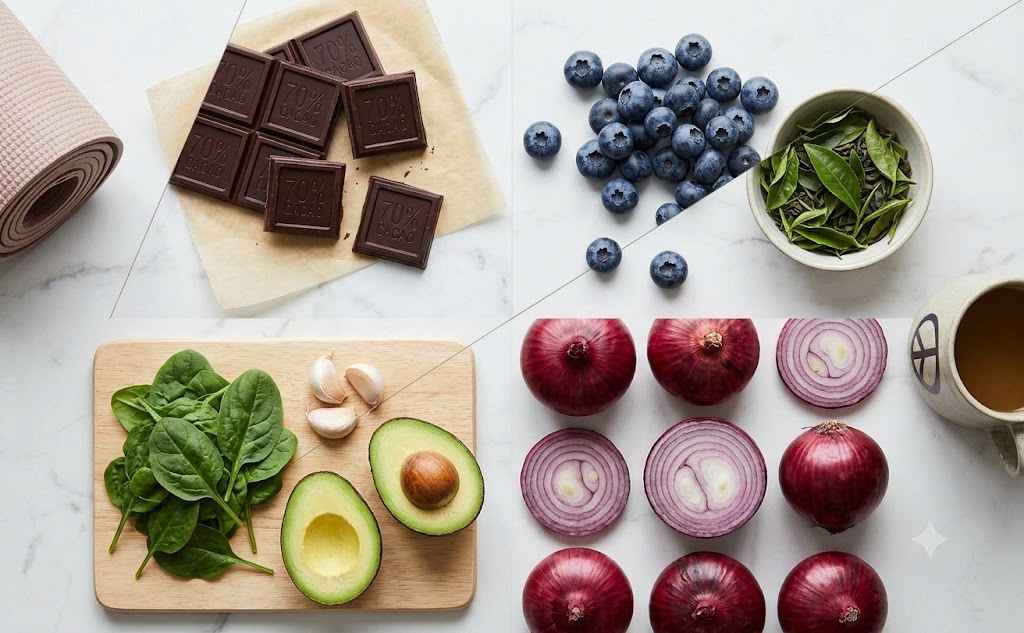
Here are 5 science-backed kitchen foods that can help naturally reduce cortisol — and how to use each one every day.
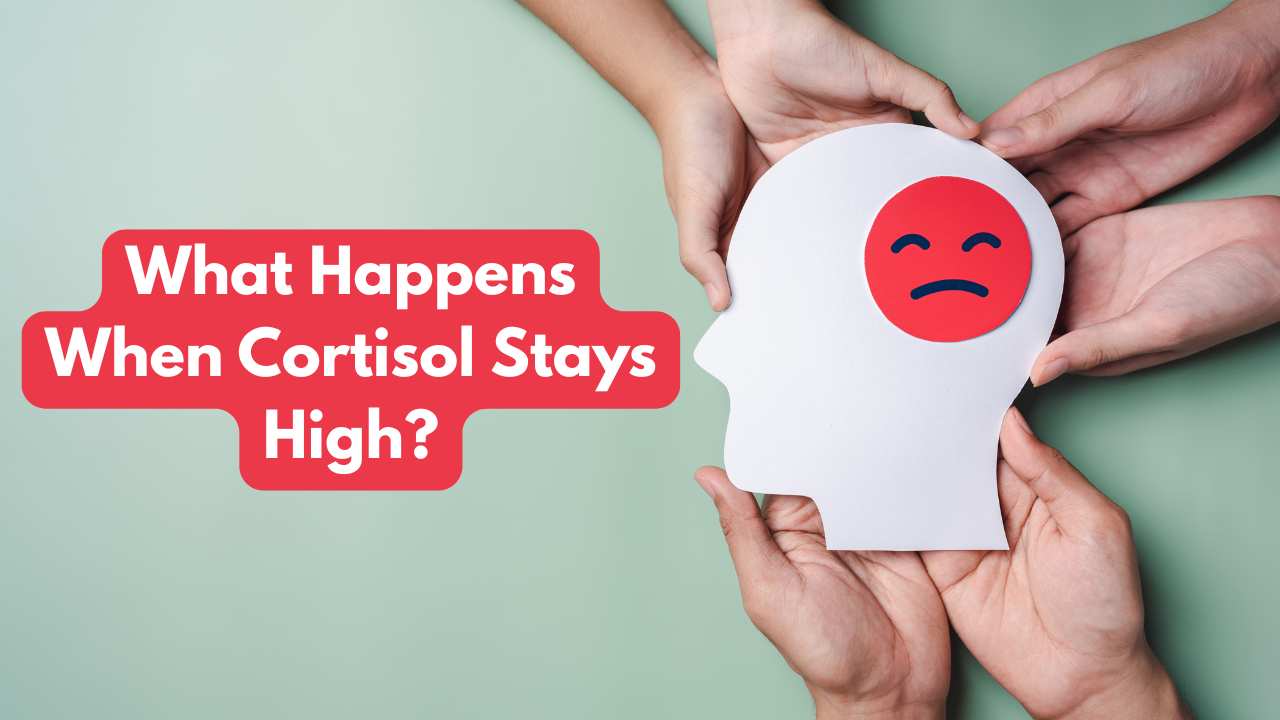
What Happens When Cortisol Stays High?
Before diving into the foods, it helps to understand what you are up against.
Cortisol is produced by your adrenal glands in response to stress. In short bursts, it sharpens your focus and boosts energy. The problem starts when modern life keeps the cortisol tap running constantly — commutes, deadlines, financial worries, poor sleep — none of which your body knows how to "switch off."
Certain foods have been shown to help the body counteract this stress response. Magnesium-rich foods, such as leafy greens, nuts, and whole grains, are crucial in regulating cortisol levels.
The five foods below work through different mechanisms — some via magnesium, some via omega-3s, some via polyphenols — but all are backed by research and easy to add to your existing meals.
1. Dark Chocolate — The Stress-Busting Treat You Can Feel Good About
This is the one everyone is glad to hear about. Dark chocolate is not just comfort food — it has real science behind its stress-relieving effects.
Research has indicated that flavonoids found in dark chocolate help reduce the production of stress hormones like cortisol. These flavonoids also encourage brain perfusion, stimulate the growth of new blood vessels and neurons, and enhance cognition.
A small study found that people who ate 25g of dark chocolate daily — with a high polyphenol content — had measurably lower cortisol levels compared to a control group.
How to use it: Aim for dark chocolate that is at least 70% cocoa. One or two squares a day is enough — you are after the polyphenols, not a sugar spike. Add it to your morning oatmeal, eat a square after lunch, or stir unsweetened cocoa powder into your coffee.
What to buy: Look for brands with 70%+ cocoa content and minimal added sugar. Lindt 85% Dark, Hu Chocolate, and Green & Black's Organic 85% are solid iHerb/Amazon.com options.
2. Spinach (and Dark Leafy Greens) — Magnesium in Every Bite
If there is one mineral most Americans are quietly deficient in, it is magnesium. And magnesium happens to be one of the most important nutrients for keeping cortisol in check.
Dark leafy greens, including spinach, are full of B vitamins like folate. These vitamins can reduce the impact of stress on your body. One study showed that people who took a vitamin B complex supplement had improved mood and felt less stressed.
Magnesium-rich foods, such as leafy greens, nuts, and whole grains, are crucial in regulating cortisol levels. A 2020 study published in the journal Nutrients found that long-term magnesium supplementation improved glucocorticoid (cortisol) metabolism significantly.
How to use it: A daily handful of spinach goes a long way. Add it to smoothies (you will not taste it), sauté it with garlic as a side dish, fold it into scrambled eggs, or toss it into pasta. Other magnesium-rich greens include Swiss chard, kale, and arugula.
Quick tip: If you struggle to eat enough greens, a magnesium glycinate supplement is the most bioavailable form. Brands like Pure Encapsulations and Thorne are well-regarded on iHerb.
3. Avocado — Healthy Fats That Calm the Nervous System
Avocado has earned its status as a superfood — and when it comes to cortisol, the science backs up the hype.
Avocados are rich in potassium and monounsaturated fats, both of which support a healthy stress response. Potassium helps regulate blood pressure — which often spikes when cortisol rises. The healthy fats in avocado support the nervous system and help stabilize blood sugar, preventing the cortisol surges that follow a sugar crash.
Avocados also provide a notable amount of B vitamins — particularly B5 (pantothenic acid), which is directly involved in adrenal gland function. When your adrenal glands are well-nourished, they are less likely to overproduce cortisol.
How to use it: Half an avocado a day is an easy goal. Use it as toast topping, blend it into smoothies for creaminess, mash it into guacamole, or slice it over salads and eggs. The fat content also helps your body absorb fat-soluble vitamins from other vegetables you eat alongside it.
4. Garlic — The Anti-Stress Bulb Your Kitchen Already Has
Garlic is most famous for its heart health benefits — but its effect on cortisol is less well-known and genuinely impressive.
Researchers have found that both raw and low-temperature-aged garlic activated neuroprotective effects and significantly decreased the levels of stress-related hormones, including cortisol.
The key compound in garlic responsible for this is allicin — the same compound that gives garlic its sharp smell when crushed. Allicin is released when garlic is chopped or crushed and allowed to sit for a few minutes before cooking, which activates the enzyme that produces it.
How to use it: Crush or mince 1–2 cloves of fresh garlic daily and let it sit for 5–10 minutes before adding it to food — this maximizes allicin content. Add it to stir-fries, soups, salad dressings, pasta, or roasted vegetables. Raw garlic in hummus or guacamole is another easy route.
Important note: Cooking at very high temperatures destroys allicin. Use garlic at medium heat, or add it near the end of cooking to preserve its active compounds.
5. Blueberries — Tiny Berries, Powerful Cortisol Defense
Blueberries punch far above their weight when it comes to stress and cortisol management.
They are among the most antioxidant-rich foods available — and antioxidants matter here because chronically elevated levels of cortisol are associated with increased visceral fat, decreased bone density, and memory impairment. Antioxidants help protect your cells from the oxidative damage that high cortisol causes.
Research published in NCBI shows that regular intake of fruits and vegetables — particularly berries — is associated with lower perceived stress in adults. A separate 2023 review in NCBI confirmed that natural antioxidants from berries and fruits play a meaningful role in protecting against adrenal hormone imbalance.
Beyond cortisol, blueberries support brain health directly. They contain anthocyanins — plant compounds that cross the blood-brain barrier and have been linked to improved memory, focus, and mood regulation.
How to use it: Half a cup of blueberries daily is enough to see benefits. Add them to oatmeal, Greek yogurt, smoothies, or eat them straight as a snack. Frozen blueberries are just as nutritious as fresh and much more affordable year-round.
How to Combine These 5 Foods Into Your Daily Routine
You do not need to overhaul your diet. Here is a simple daily template using all five foods:
Morning: Spinach smoothie — blend a large handful of spinach, half a banana, half an avocado, half a cup of frozen blueberries, and a cup of almond milk. Optionally add a tablespoon of cocoa powder for an extra polyphenol hit.
Midday: Add 1–2 crushed garlic cloves to your lunch — into a salad dressing, soup, or stir-fry. Let it sit for 5 minutes before cooking.
Afternoon snack: One to two squares of 70%+ dark chocolate with a small handful of blueberries.
Evening: Half an avocado with dinner — sliced over a salad or served alongside protein.
What Else Raises Cortisol (Avoid These)
Diet is just one part of the picture. These everyday habits keep cortisol chronically elevated and will undercut even the best diet:
Poor sleep — Even one night of under 6 hours raises cortisol the next day
Excessive caffeine — More than 2–3 cups of coffee per day stimulates cortisol release
Skipping meals — Blood sugar crashes trigger a cortisol spike
Scrolling social media before bed — Screen light and mental stimulation delay cortisol decline at night
Highly processed, high-sugar foods — Cause blood sugar instability, which drives cortisol fluctuations
The Bottom Line
You do not need a prescription to start managing cortisol. Dark chocolate, spinach, avocado, garlic, and blueberries are five foods backed by real research — and they are already sitting in most kitchens.
Start with one or two. Build a habit. The cumulative effect of consistent, low-stress eating is more powerful than any single supplement.
If chronic stress or anxiety is significantly affecting your daily life, please speak with a healthcare professional. Diet is a powerful supportive tool — but it works best alongside professional guidance, not instead of it.
References
Healthline — Foods That Lower Cortisol (2025): healthline.com/health/stress/foods-that-lower-cortisol
GoodRx — Lower Cortisol Levels With These 5 Foods (2025): goodrx.com/well-being/diet-nutrition/foods-that-lower-cortisol
NCBI — Schutten JC et al. (2020). Long-term magnesium supplementation improves glucocorticoid metabolism: pmc.ncbi.nlm.nih.gov/articles/PMC7821302
NCBI — Rahaman MM et al. (2023). Natural antioxidants from fruits and associated health benefits: pmc.ncbi.nlm.nih.gov/articles/PMC10084981
NCBI — Kaur J et al. (2025). Physiology, cortisol: ncbi.nlm.nih.gov/books/NBK538239
RMC Cares — Stress Awareness Month: Best Foods to Lower Cortisol (2024): rmccares.org
⚕️ Medical Disclaimer
The information in this article is intended for general informational purposes only. It is not a substitute for professional medical advice, diagnosis, or treatment. Always consult your physician or a qualified health provider before making significant changes to your diet, especially if you are managing a chronic condition or taking medications.
Author: Ajit | KitchenMadeHealth.com | Natural health and wellness writer with 5+ years of experience covering evidence-based home remedies and nutrition. Last updated: May 2026
Start writing your guide…