Anxiety affects millions of Americans every year — it's one of the most common mental health concerns in the country. While food is not a replacement for therapy, medication, or professional support, growing research suggests that what we eat may play a meaningful role in how our minds feel day to day.
The connection runs through the gut-brain axis — a two-way communication pathway between your digestive system and your brain. Your gut produces around 90% of the body's serotonin, a neurotransmitter closely tied to mood regulation. When your gut is healthy, your mental wellbeing may benefit too.
Here are six foods that researchers have studied in connection with anxiety and mood — along with simple ways to include them in your daily diet.
Quick TakeawayFood alone cannot treat anxiety disorders. However, a diet rich in magnesium, omega-3s, probiotics, and antioxidants may support a calmer nervous system as part of an overall wellness approach.
1. Magnesium-Rich Foods: Dark Chocolate, Pumpkin Seeds, and Spinach
Magnesium is often called "nature's relaxation mineral." It plays a key role in regulating the nervous system, and research has found associations between low magnesium intake and increased anxiety symptoms. Many Americans don't consume enough magnesium in their daily diet.
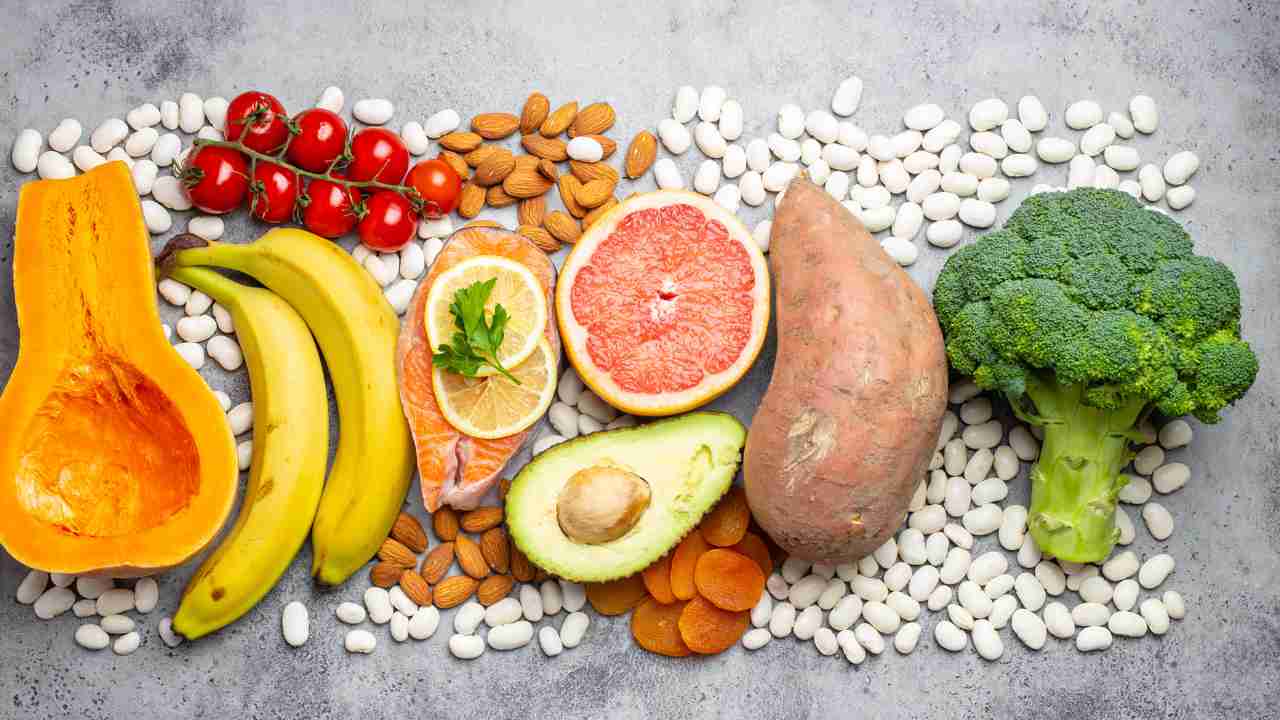
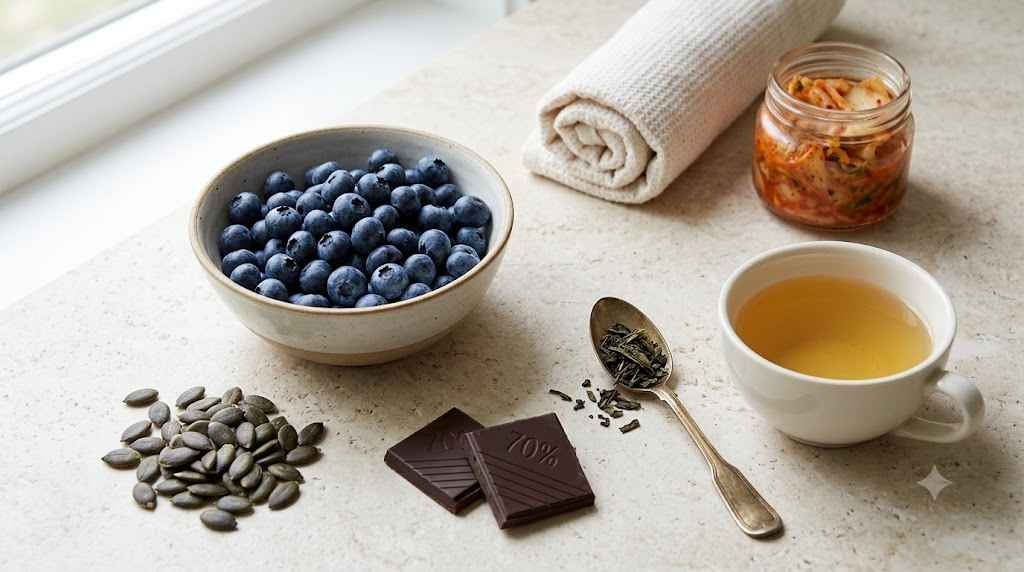
Good sources include dark chocolate (70% cacao or higher), pumpkin seeds, spinach, almonds, black beans, and avocado. Even a small square of dark chocolate — around 1 oz of 70%+ cacao — provides a meaningful dose of magnesium along with antioxidants.
2. Fermented Foods: Yogurt, Kefir, and Kimchi
Fermented foods contain live beneficial bacteria (probiotics) that support a healthy gut microbiome. Since the gut and brain communicate closely, a healthier gut environment may support more balanced mood and reduced anxiety over time.
Research in this area is still developing, but studies suggest that probiotic supplementation and fermented food consumption are associated with reduced self-reported anxiety in some populations. Plain Greek yogurt, kefir, kimchi, sauerkraut, and miso are all accessible sources of probiotics in the US.
3. Omega-3 Fatty Acids: Salmon, Walnuts, and Flaxseed
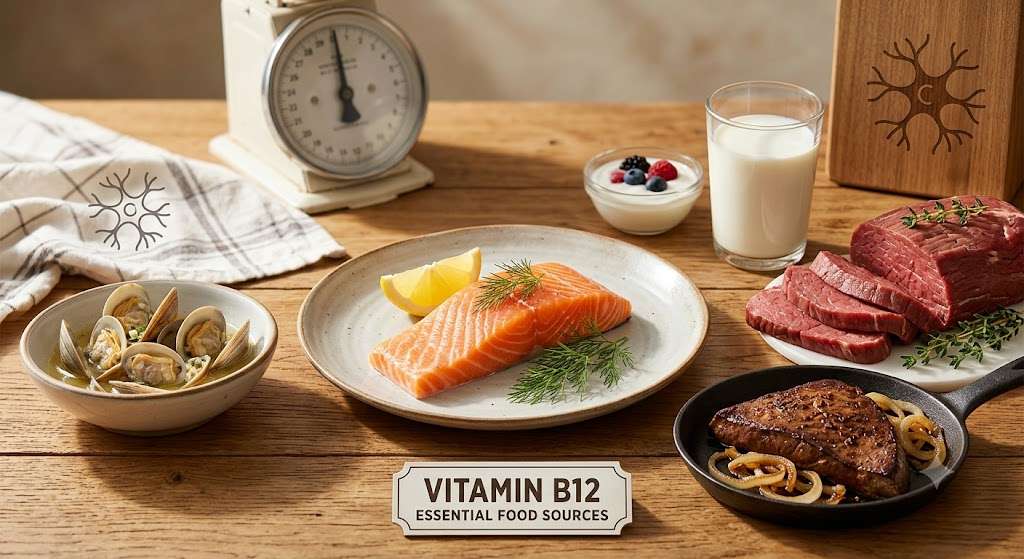
Omega-3 fatty acids — particularly EPA and DHA found in fatty fish like salmon — have been studied for their effects on brain health and mood. Several clinical reviews have found that omega-3 supplementation was associated with reduced anxiety symptoms in certain groups, though more research is ongoing.
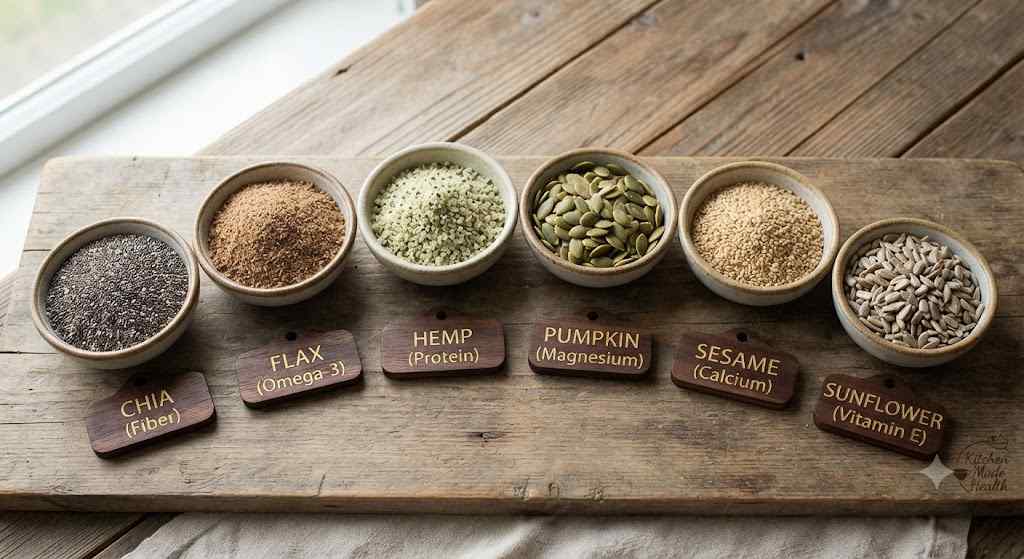
For those who don't eat fish, plant-based ALA from walnuts and ground flaxseed provides a precursor form of omega-3, though the conversion to EPA and DHA is limited. Still, regularly including these foods in your diet is a meaningful step.
4. Green Tea (L-Theanine)
Green tea is one of the most researched beverages for its calming properties. It contains L-theanine, an amino acid that has been studied for its ability to promote a relaxed but alert mental state — sometimes described as "calm focus." Unlike caffeine alone, which can increase anxiety in some people, L-theanine may help moderate caffeine's more jittery effects.
A cup of quality green tea in the morning or early afternoon is one of the simplest ways to incorporate L-theanine into your daily routine.
5. Blueberries (Antioxidants and Stress)
Oxidative stress — an imbalance between free radicals and antioxidants in the body — has been linked in research to anxiety and mood disturbances. Blueberries are among the richest sources of antioxidants in the American diet, particularly anthocyanins.
While blueberries alone are not a treatment for anxiety, including antioxidant-rich foods regularly as part of a balanced diet supports overall brain health. A handful of blueberries with breakfast is one of the easiest dietary upgrades you can make.
6. Ashwagandha (As a Supplement or Adaptogen)
Ashwagandha is an adaptogenic herb rooted in Ayurvedic tradition that has seen a significant surge in popularity across the US wellness market. Several randomized controlled trials have found that ashwagandha supplementation was associated with reductions in perceived stress and anxiety scores compared to placebo.
It's most commonly taken as a supplement (capsule or powder) in the US. While it's not a food in the traditional sense, it appears in many wellness drinks, protein powders, and health products at American grocery and supplement stores. Always consult a healthcare provider before starting any supplement, especially if you take medication.
Building an Anxiety-Supportive Plate
No single food will resolve anxiety on its own. But a consistent pattern of eating — rich in whole foods, fiber, healthy fats, and fermented foods, while minimizing ultra-processed foods and added sugars — may support a more balanced mood over time. Think of it as building a foundation rather than looking for a quick fix.
When to Seek Professional Support
If anxiety is significantly affecting your daily life, work, relationships, or sleep, please speak with a qualified mental health professional. Therapy (particularly Cognitive Behavioral Therapy) and other evidence-based treatments are highly effective for anxiety disorders. Food is a supportive tool, not a replacement for professional care.
The Anxiety and Depression Association of America (ADAA) at adaa.org is a helpful resource for finding licensed therapists and understanding treatment options.
Frequently Asked Questions
Are there foods that make anxiety worse?
Yes — high caffeine intake, alcohol, excessive sugar, and ultra-processed foods have been associated with worsened anxiety symptoms in some research. Caffeine in particular can trigger or worsen anxiety in sensitive individuals. This doesn't mean you need to eliminate these entirely, but being mindful of your intake may help.
How long does it take for dietary changes to affect mood?
The gut microbiome can start shifting within days to weeks of dietary changes, but mood-related benefits are generally noticed over several weeks to months of consistent eating patterns. Don't expect overnight changes — think of it as a long-term investment.
Medical Disclaimer: This article is for informational and educational purposes only. It is not intended to diagnose, treat, cure, or prevent any mental health condition, including anxiety disorders. Please consult a qualified healthcare provider or licensed mental health professional for diagnosis and treatment. If you are experiencing a mental health crisis, please contact the 988 Suicide and Crisis Lifeline by dialing or texting 988.