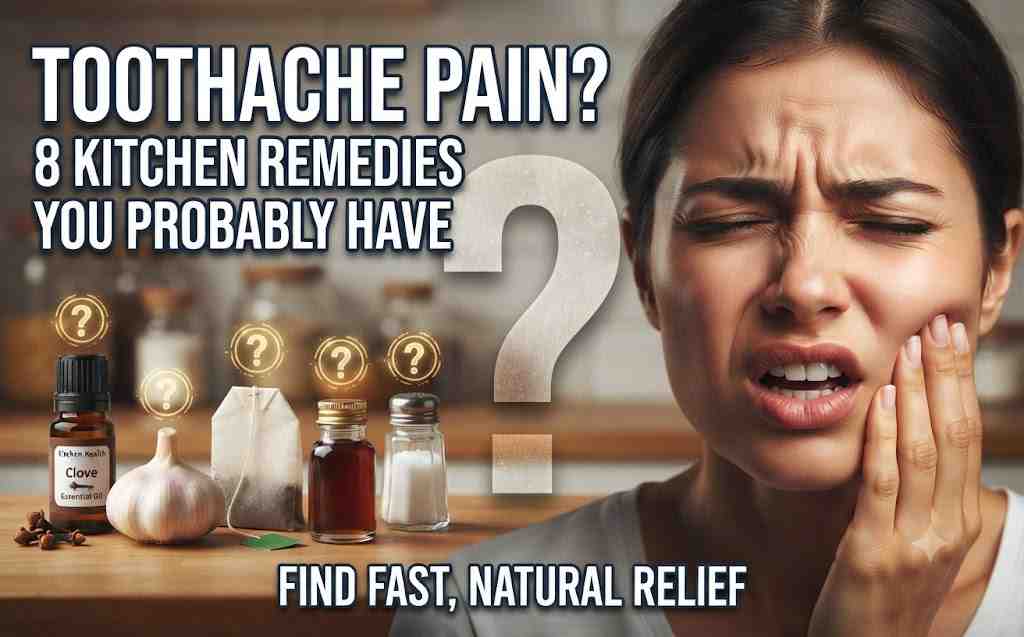
Toothache is one of the most commonly reported pain complaints in America, affecting millions of adults each year. The pain can result from tooth decay, a cracked tooth, an exposed root, gum disease, or an abscess — each with its own underlying cause but sharing the same immediate problem: significant, often debilitating pain that disrupts eating, sleeping, and daily function. While a dentist is always the appropriate long-term solution, natural remedies for toothache pain relief can provide meaningful temporary relief — and in some cases address the underlying bacterial contributors.
Quick TakeawayThe most effective natural toothache remedies work through one of two mechanisms: numbing the pain (clove oil's eugenol is a clinically proven dental anesthetic), or reducing the bacterial infection and inflammation driving the pain (salt water rinse, garlic, tea tree oil). The two approaches work best in combination.
1. Clove Oil — The Most Evidence-Backed Natural Dental Anesthetic
Clove oil is the most researched and clinically validated natural remedy for toothache pain — and its mechanism is well understood. Cloves contain eugenol, a naturally occurring phenylpropanoid that acts as a local anesthetic and antiseptic. Eugenol is so effective that it forms the basis of several commercial dental materials still used by dentists today, including zinc oxide eugenol cement used for temporary fillings and root canals.
A study published in the Journal of Dentistry found that eugenol gel was as effective as benzocaine — the active ingredient in commercial topical dental anesthetics — for reducing pain, inflammation, and infection in dry socket patients. For home use: apply 2–3 drops of food-grade clove essential oil to a cotton ball and hold gently against the painful tooth and surrounding gum for 10–15 minutes. Alternatively, place a whole clove between the painful tooth and cheek and bite down gently. Reapply every 2–3 hours as needed. Do not swallow clove oil in large amounts.
2. Salt Water Rinse
A warm salt water rinse is the most universally recommended first-line home treatment for toothache — and it works through multiple mechanisms simultaneously. Salt water (saline) has mild antibacterial properties that reduce bacterial load around the affected tooth, reduces inflammation in gum tissue, promotes healing of any small wounds or ulcerations in the mouth, and physically flushes out food particles that may be irritating the sensitive area.
Dissolve half a teaspoon of table salt in 8 ounces of warm water. Swish vigorously around the affected area for 30 seconds, then spit. Repeat every 2–3 hours during acute tooth pain. This is appropriate even for children and people on low-sodium diets as the salt is not swallowed. It is the safest and most broadly recommended natural toothache remedy by dental professionals.
3. Garlic
Garlic contains allicin — a sulfur compound produced when garlic is crushed that has well-documented antibacterial properties, including documented activity against Streptococcus mutans, the primary bacteria responsible for tooth decay and dental infections. Applied topically to a painful tooth, crushed garlic may help reduce the bacterial infection contributing to inflammation and pain.
Crush one clove of fresh garlic into a paste and mix with a small pinch of salt. Apply directly to the affected tooth using a clean finger or cotton swab. Leave for 5–10 minutes, then rinse with warm water. The strong taste and odor are significant but temporary. Repeat 2–3 times daily during acute tooth pain.
4. Peppermint Tea Bags
Used peppermint tea bags — cooled to a comfortable temperature — provide two simultaneous toothache relief mechanisms. The menthol in peppermint produces a mild numbing and cooling sensation on contact with pain receptors, providing temporary topical analgesia. The tannins in the tea have mild astringent and antibacterial properties. A slightly warm (not hot) used tea bag applied to the outside of the cheek over the affected tooth provides additional comfort through the warmth component.
Steep a peppermint tea bag in hot water for 5 minutes, remove, and allow to cool to a comfortably warm temperature. Place directly against the affected tooth and gum, or on the outside of the cheek. Hold for 15–20 minutes. This is one of the most soothing and child-friendly natural toothache remedies.
5. Hydrogen Peroxide Rinse
A diluted hydrogen peroxide rinse provides effective antibacterial action against the oral bacteria driving dental infections and inflammation. Hydrogen peroxide (H2O2) releases oxygen on contact with bacteria, disrupting their cell walls and dramatically reducing bacterial load. It also helps reduce inflammation and can temporarily relieve the throbbing pain associated with dental abscesses by addressing some of the infectious pressure.
Mix equal parts 3% hydrogen peroxide (available at any US pharmacy) with water. Swish gently around the affected area for 30 seconds, then spit completely — never swallow. Rinse with plain water afterward. Use once or twice daily. Do not use full-strength hydrogen peroxide in the mouth — it can damage oral tissue at higher concentrations. Do not use on children under 12 without dental guidance.
6. Cold Compress
For toothache accompanied by swelling — which often indicates infection or trauma — a cold compress applied to the outside of the cheek over the affected area reduces inflammation, constricts blood vessels, and provides meaningful pain relief through the same mechanism as icing any injured body part. Cold reduces prostaglandin production and slows nerve signal transmission, producing significant temporary analgesia.
Wrap ice or a frozen gel pack in a clean towel. Apply to the outside of the cheek over the painful tooth for 15–20 minutes. Remove for 20 minutes, then reapply. Never apply ice directly to skin — the cloth barrier prevents tissue damage. Particularly effective for the throbbing pain of dental abscesses and swollen gums.
7. Vanilla Extract
Pure vanilla extract contains a small amount of alcohol (ethanol) — typically 35% — which has mild anesthetic and antiseptic properties when applied topically to gum tissue. Additionally, the vanilla compound vanillin has demonstrated antioxidant and mild anti-inflammatory activity. While less potent than clove oil, vanilla extract is widely available in every American kitchen and provides a pleasant-tasting temporary pain relief option.
Dab a small amount of pure vanilla extract onto a clean fingertip or cotton ball and apply directly to the painful tooth and surrounding gum. Hold for 1–2 minutes and repeat every few hours. Use pure vanilla extract, not imitation vanilla flavoring, which doesn't contain the relevant compounds.
8. Guava Leaves
Fresh guava leaves are a traditional toothache remedy in many cultures — and research has confirmed the biological rationale. Guava leaves contain quercetin, kaempferol, and other flavonoids with documented anti-inflammatory and antibacterial properties specifically relevant to oral health. A 2014 study found guava leaf extract effective against Streptococcus mutans and other oral pathogens. Guava leaves are increasingly available at Latin American and Indian grocery stores in US cities.
Chew 1–2 fresh guava leaves gently on the affected side for 2–3 minutes until the juice is released, then spit. Alternatively, boil 4–5 guava leaves in water for 5 minutes, cool to lukewarm, add a pinch of salt, and use as a mouthwash. Repeat 2–3 times daily.
When to See a Dentist Immediately
These home remedies provide temporary relief only — they do not treat the underlying dental problem. See a dentist urgently if: pain is severe and unresponsive to over-the-counter pain medication, there is visible swelling of the jaw, face, or neck, you have a fever alongside tooth pain (indicating spreading infection), you have difficulty swallowing or breathing, or the tooth shows signs of abscess (a pimple-like bump on the gum near the tooth). Dental infections can spread to the jaw, neck, and bloodstream — a dental emergency that requires immediate medical attention.
Frequently Asked Questions
Can a toothache go away on its own?
A toothache may temporarily reduce in intensity — sometimes because the nerve has become so damaged it can no longer transmit pain signals — but the underlying cause (decay, infection, crack) never resolves without treatment. A toothache that "goes away" without dental treatment often indicates that the nerve has died, which is a more serious development, not an improvement. Always seek dental evaluation for persistent toothache, even if the pain has reduced.
Is it safe to put aspirin directly on the tooth?
No — placing aspirin directly against tooth or gum tissue is a common but harmful folk remedy. Aspirin is acidic and causes chemical burns to gum tissue when held in direct contact, producing additional pain and damage. Aspirin should be swallowed as directed on the packaging for systemic pain relief, not applied topically to teeth or gums. Ibuprofen (Advil, Motrin) is generally more effective than aspirin for dental pain due to its anti-inflammatory mechanism and is the preferred over-the-counter option for toothache while awaiting dental care.
Medical Disclaimer: This article is for informational and educational purposes only. These remedies provide temporary pain relief only and do not treat the underlying dental condition. Always seek evaluation from a licensed dentist for toothache, dental pain, or suspected dental infection. A dental abscess is a medical emergency.