►Medical Disclaimer: The information on KitchenMadeHealth.com is provided for educational and informational purposes only and is not intended as medical advice. It should not be used to diagnose or treat any health condition. Always consult a qualified healthcare provider regarding allergy management or before starting any new home routine.
Seasonal allergies affect tens of millions of Americans every spring and fall. High pollen counts from trees, grasses, and ragweed often lead to nasal congestion, watery eyes, and sneezing. While over-the-counter antihistamines are common, many people seek non-drowsy, natural supportive care to manage daily discomfort.
Here are five evidence-based home strategies to help reduce seasonal allergy symptoms naturally.
---
### 1. Maintain Clean Indoor Air with HEPA Filtration
During peak pollen seasons in the United States, microscopic allergens easily enter homes through open windows, footwear, and clothing. High-Efficiency Particulate Air (HEPA) filters can trap up to 99.97% of airborne particles as small as 0.3 microns, including pollen and dust mites.
* Action Step: Keep windows closed on high-pollen days and run a standalone HEPA air purifier in your bedroom.
---
### 2. Use a Saline Nasal Rinse Safely
Saline nasal irrigation helps wash away trapped pollen particles and excess mucus from nasal passages. Research published by the National Institutes of Health (NIH) indicates that regular saline rinsing can significantly reduce nasal congestion symptoms.
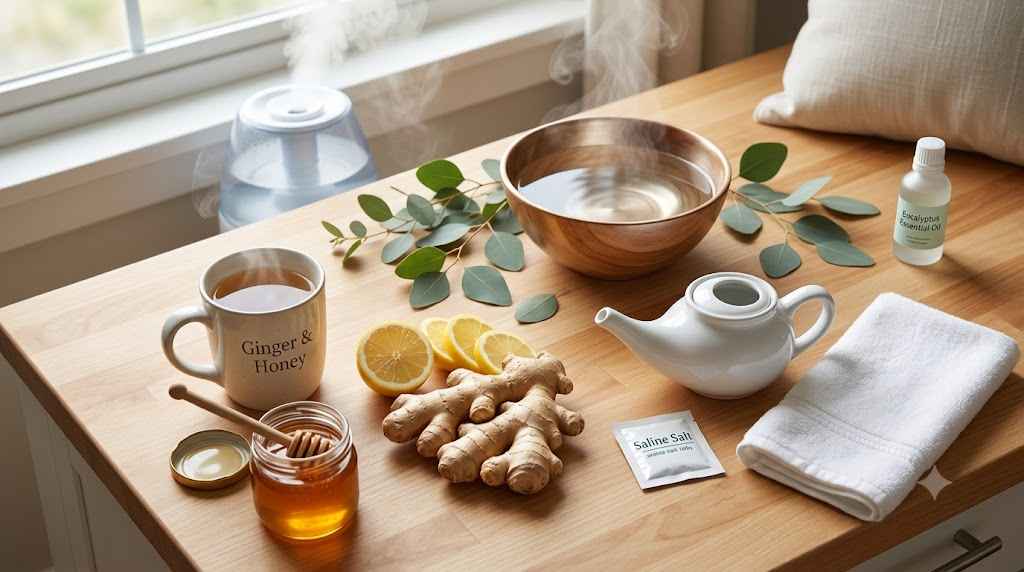
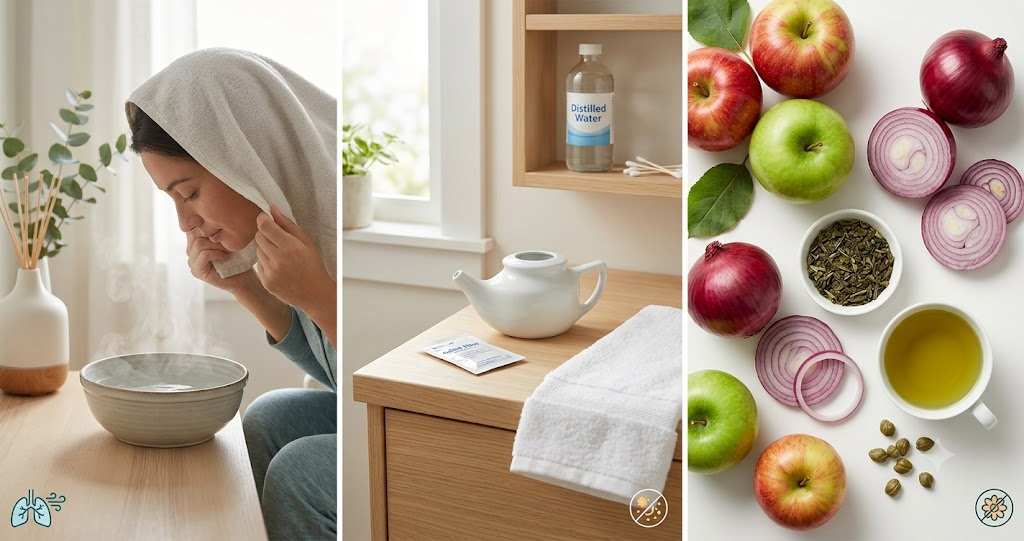
* Safety First: Always use distilled, sterile, or previously boiled and cooled water for nasal rinses (such as a Neti pot) to avoid bacterial contamination.
---
### 3. Try Inhaling Steam with Essential Oils
Steam therapy helps moisten dry nasal tissues and thin out thick mucus. Adding a drop of eucalyptus or peppermint essential oil may provide a soothing, cooling sensation that makes breathing feel easier.
* How to Do It: Pour hot water into a bowl, lean over it with a towel draped over your head, and gently inhale the steam for 5 to 10 minutes.
---
### 4. Shower and Change Clothes After Outdoor Activity
Pollen sticks to hair, skin, and fabrics. If you spend time outdoors during high pollen hours (typically early morning and late afternoon), you may unintentionally bring allergens into your living space.
* Action Step: Take a warm shower before bed to rinse off outdoor allergens so they do not transfer to your pillows and bedding.
---
### 5. Incorporate Quercetin-Rich Foods
Quercetin is a natural plant flavonoid found in apples, onions, capers, and green tea. Preclinical studies suggest quercetin may act as a mild natural antioxidant that supports a normal histamine response in the body.
---
### When to See an Allergist
Home remedies are designed to offer mild symptom relief. If you experience severe wheezing, sinus pain, persistent headaches, or symptoms that interfere with sleep, consult a board-certified allergist or primary care physician.
---
References & Sources:
1. National Center for Complementary and Integrative Health (NCCIH) – Seasonal Allergies and Natural Health Practices.
2. Asthma and Allergy Foundation of America (AAFA) – Indoor Air Quality and Allergy Management.Start writing your guide…