If you've ever started a diet on a Monday only to abandon it by Wednesday, you're not alone — and it's probably not a willpower problem. Most diets fail because they rely on restriction and motivation rather than environment and habit. The research is clear: what's in your kitchen, and how your kitchen is organized, has a significant influence on what you eat.
This 5-day kitchen reset isn't a diet. It's a series of small, practical shifts — one per day — designed to make healthy eating easier, more automatic, and more sustainable. No calorie counting required.
Quick TakeawaySustainable weight loss is built on consistent habits, not intense short-term restriction. These five daily resets target your environment and behavior — the most effective levers for long-term change.
Day 1: Clear Your Kitchen of Ultra-Processed Snacks
Research consistently shows that the foods most visible and accessible in your home are the foods you'll eat most often. Ultra-processed snacks — chips, packaged cookies, sweetened crackers — are engineered to be easy to overeat and provide little nutritional value.
Today's task: Do a simple pantry audit. You don't need to throw everything away. Donate what you won't use, move less-healthy items to a harder-to-reach shelf, and bring healthier options — nuts, fruit, plain popcorn — to the front. Out of sight genuinely does mean out of mind for most people.
You're not eliminating fun from your kitchen. You're reducing the amount of mindless eating that happens when food is too easy to reach without thinking.
Day 2: Drink Water Before Every Meal
This one habit has real research behind it. A study published in the journal Obesity found that drinking about 16 oz (two cups) of water before each main meal was associated with greater weight loss over 12 weeks compared to a control group. The theory is that the water creates a sense of fullness that reduces the amount eaten at that meal.
Today's task: Put a large glass of water on your kitchen counter before you start cooking or eating each meal. Make it the first thing you consume. Over time, this becomes automatic — and it also helps you stay hydrated throughout the day.
Day 3: Try the Protein-First Plate Method
The order in which you eat foods at a meal matters more than most people realize. Research has found that eating protein before carbohydrates at a meal leads to lower post-meal blood sugar spikes and greater satiety. Protein also has a higher thermic effect than carbohydrates or fat — meaning your body burns more energy digesting it.
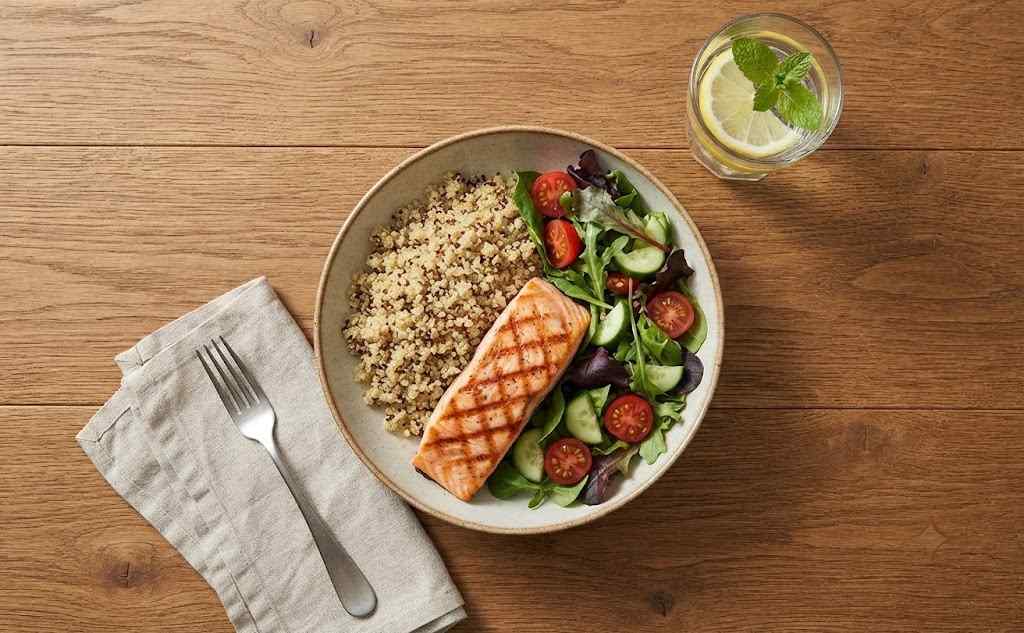
Today's task: At each meal, eat your protein source first (chicken, eggs, fish, beans, Greek yogurt), then your vegetables, then your carbohydrates last. You don't need to change what you eat — just the order. Most people find they naturally eat less of the carbohydrates at the end of the meal because they're already satiated.
Day 4: Walk 10 Minutes After Dinner
You don't need an intense gym session to support weight loss. One of the most consistently supported habits in metabolic health research is a short walk after eating. Studies have found that a 10-minute post-meal walk helps lower blood sugar spikes after dinner and supports better digestion. Over time, it also builds the foundation for a more active lifestyle.
Today's task: After dinner, put on your shoes and walk around the block — or even just around your neighborhood for 10 minutes. Leave your phone at home if possible, or use it to listen to something you enjoy. Make it pleasant, not punishing. This single habit, done consistently, has a meaningful impact on metabolic health over weeks and months.
Day 5: Prep One Thing on Sunday
Meal prep doesn't have to mean spending your entire Sunday cooking. Research on food preparation and dietary quality consistently shows that people who do even a small amount of advance food preparation eat more vegetables, consume fewer calories from fast food, and make healthier choices throughout the week.
Today's task: Pick one thing to prep for the week ahead. It could be washing and chopping a week's worth of salad vegetables, cooking a batch of hard-boiled eggs, cooking a pot of grains, or portioning out snacks into small containers. One prepared item reduces the friction of healthy eating every single day of the coming week.
What to Expect After One Week
One week of these habits won't transform your body — and that's not the point. What you'll likely notice is that eating healthily feels a little easier, your kitchen feels more organized, and a few new routines have started to take root.
Weight loss that lasts is built over months, not days. These five habits address the environmental and behavioral foundations that make consistent healthy eating possible — without restriction, guilt, or unsustainable rules.
Repeat the reset the following week, or build on each habit one at a time. The goal is progress that doesn't require perfection.
Frequently Asked Questions
How much weight can I lose in a week with these habits?
Weight loss varies significantly by individual and depends on many factors including starting point, overall diet, activity level, sleep, and more. These habits support gradual, sustainable change rather than rapid loss. One to two pounds per week is generally considered a healthy and sustainable rate by health professionals — but week-to-week fluctuations are normal and don't necessarily reflect fat loss.
Do I need to count calories for this to work?
No calorie counting is required for this reset. The habits are designed to naturally reduce overeating through better food environment, satiety, and routine. That said, if you have a specific weight loss goal, speaking with a registered dietitian can help you understand your individual calorie needs.
Can I combine this with intermittent fasting?
These habits are compatible with most eating approaches, including intermittent fasting. However, if you're considering a significant dietary change like intermittent fasting, it's worth checking with a healthcare provider to ensure it's appropriate for your health situation.
Medical Disclaimer: This article is for informational and educational purposes only. It is not intended to provide medical advice or diagnose any health condition. Results vary by individual. Consult a qualified healthcare provider or registered dietitian before beginning any weight loss program, especially if you have underlying health conditions.Start writing your guide…