Inflammation is a natural and essential process — it's how your body responds to injury and infection. But when inflammation becomes chronic and low-grade, persisting in the body without a specific threat to fight, it becomes one of the most significant drivers of modern disease. Chronic inflammation is implicated in heart disease, type 2 diabetes, certain cancers, Alzheimer's disease, arthritis, and depression — making it arguably the most important health factor most Americans have never directly addressed.
The good news: your diet is one of the most powerful tools for either promoting or reducing chronic inflammation. Here are the best anti-inflammatory foods available at any US grocery store, with practical ways to include each one this week.
Quick TakeawayNo single food eliminates inflammation — anti-inflammatory eating is a dietary pattern, not a single ingredient. The foods below work cumulatively over weeks and months of consistent consumption. The most evidence-backed anti-inflammatory dietary pattern overall is the Mediterranean diet, which combines most of these foods naturally.
1. Fatty Fish (Salmon, Mackerel, Sardines)
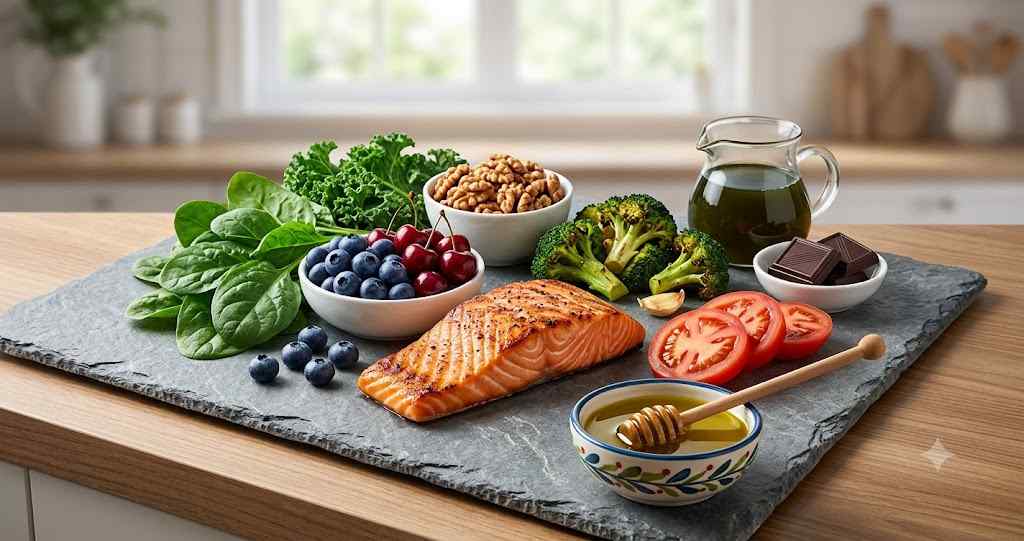
Fatty fish are the most potent anti-inflammatory food available through diet. The omega-3 fatty acids EPA and DHA are direct precursors to resolvins and protectins — compounds that actively resolve inflammation at the cellular level, rather than simply suppressing it. Research has consistently found that higher fish consumption correlates with lower levels of inflammatory markers including C-reactive protein (CRP) and interleukin-6.
This week: Bake a salmon fillet with olive oil and lemon for dinner twice this week. Canned sardines on whole grain crackers make an effortless anti-inflammatory lunch.
2. Extra-Virgin Olive Oil
Extra-virgin olive oil (EVOO) contains a compound called oleocanthal that functions similarly to ibuprofen — inhibiting the same COX enzymes that over-the-counter anti-inflammatory drugs target. Research has found that the daily consumption of olive oil associated with the Mediterranean diet produces meaningful reductions in inflammatory markers over time. EVOO also provides monounsaturated fats and polyphenols with independent anti-inflammatory effects.
This week: Replace butter and vegetable oil with extra-virgin olive oil in all your cooking. Use it as a salad dressing base and drizzle over cooked vegetables before serving.
3. Leafy Greens (Spinach, Kale, Swiss Chard, Arugula)
Dark leafy greens are rich in vitamin K, which plays a direct role in regulating inflammatory pathways. They also contain flavonoids, carotenoids, and vitamin C — a combination of antioxidants that reduce oxidative stress, one of the primary drivers of chronic inflammation. Population studies consistently find that higher leafy green consumption is associated with lower inflammatory biomarkers and reduced risk of inflammatory diseases.
This week: Add two large handfuls of spinach to every dinner, either as a base or wilted into the dish. Replace iceberg lettuce salads with spinach or arugula bases — the nutritional difference is dramatic.
4. Berries (Blueberries, Strawberries, Cherries, Raspberries)
Berries are among the richest sources of anthocyanins — pigment compounds that give them their deep colors and have demonstrated significant anti-inflammatory activity in research. Tart cherries specifically have been found to inhibit the same inflammatory enzymes as aspirin. Several studies have found that daily berry consumption measurably reduces CRP and other inflammatory markers within 4–6 weeks.
This week: Add a cup of mixed berries to your breakfast daily — in yogurt, oatmeal, or eaten plain. Frozen berries are just as anti-inflammatory as fresh and significantly more affordable year-round.
5. Walnuts
Among all tree nuts, walnuts stand out for their anti-inflammatory profile — they are the richest nut source of plant-based omega-3 (ALA), and they also contain ellagic acid, a polyphenol with documented anti-inflammatory and antioxidant properties. Research has found that daily walnut consumption reduces CRP and several other inflammatory markers. A 2020 study from Harvard found that regular walnut consumption was associated with lower all-cause mortality.
This week: Replace afternoon snack chips with a small handful of walnuts (about 1 oz, 14 halves). Add chopped walnuts to oatmeal or salads.
6. Broccoli and Cruciferous Vegetables
Broccoli, Brussels sprouts, cauliflower, and cabbage contain sulforaphane — a sulfur compound that activates the body's own antioxidant defense systems and has demonstrated anti-inflammatory effects in research, including reduction of inflammatory markers associated with cardiovascular disease and cancer prevention. Cruciferous vegetables also provide significant fiber, folate, and vitamins C and K.
This week: Roast a large tray of broccoli with olive oil and garlic at the start of the week — eat it as a side dish across 3–4 meals. Roasting dramatically improves the flavor compared to steaming.
7. Green Tea
Green tea's catechins — particularly EGCG — have extensive research support for anti-inflammatory activity. EGCG inhibits NF-κB, one of the master regulators of the inflammatory response in the body. Several clinical trials have found that regular green tea consumption reduces CRP, interleukin-6, and other inflammatory markers. The L-theanine in green tea also supports cortisol regulation, indirectly reducing inflammation driven by chronic stress.
This week: Replace one or two daily coffees with green tea, particularly in the afternoon. Use water that's just below boiling (175–185°F) to avoid bitterness in green tea — don't use actively boiling water.
8. Tomatoes
Tomatoes are rich in lycopene — a carotenoid antioxidant that has been extensively studied for its anti-inflammatory properties, particularly in relation to cardiovascular disease and prostate cancer risk. Cooked tomatoes provide significantly more bioavailable lycopene than raw tomatoes — cooking breaks down cell walls and releases lycopene, and the fat in olive oil further increases absorption. This is one reason why traditional Mediterranean tomato sauces are particularly health-supportive.
This week: Make a simple homemade tomato sauce with crushed canned tomatoes, olive oil, and garlic — infinitely more anti-inflammatory than commercial jarred sauces with added sugar.
9. Dark Chocolate (70%+ Cacao)
Dark chocolate with 70% or more cacao content contains flavanols — compounds with documented anti-inflammatory and antioxidant effects. Research has found that regular consumption of dark chocolate is associated with reductions in CRP and improvements in endothelial (blood vessel lining) function. The key is high cacao content — milk chocolate and white chocolate lack meaningful flavanol content.
This week: One or two squares (about 1 oz) of 70%+ dark chocolate as an after-dinner treat is a genuinely evidence-backed addition to an anti-inflammatory diet — not a guilty pleasure.
What to Reduce Alongside These Foods
Anti-inflammatory eating works best as a combined approach: adding the foods above while simultaneously reducing the most pro-inflammatory foods in the American diet. The most evidence-backed foods to limit include: ultra-processed foods (chips, packaged snacks, fast food), refined carbohydrates and added sugars, trans fats (partially hydrogenated oils, still present in some packaged goods), excessive alcohol, and refined vegetable oils high in omega-6 (corn oil, soybean oil, cottonseed oil) consumed in amounts that overwhelm the omega-3 balance.
Frequently Asked Questions
How long does it take for anti-inflammatory foods to reduce inflammation?
Research using dietary interventions typically measures inflammatory markers at 4–12 weeks. Meaningful reductions in CRP and other markers have been observed within 4–6 weeks of consistent dietary changes. However, the full anti-inflammatory benefit of a sustained healthy dietary pattern accumulates over months and years. Think of it as a long-term investment rather than a quick fix — though some people notice improvements in energy, joint comfort, and digestion within the first 2–3 weeks.
Is an anti-inflammatory diet the same as the Mediterranean diet?
Largely yes — the Mediterranean diet is the most thoroughly researched anti-inflammatory eating pattern, and it naturally incorporates most of the foods listed above: abundant vegetables and fruits, fatty fish, olive oil, nuts, legumes, and whole grains, with minimal processed foods and red meat. The MIND diet (Mediterranean-DASH Intervention for Neurodegenerative Delay) is a related pattern specifically designed to reduce brain inflammation and is one of the most researched diets for Alzheimer's disease risk reduction.
Medical Disclaimer: This article is for informational and educational purposes only. It is not intended to diagnose, treat, cure, or prevent any health condition including inflammatory diseases. Dietary changes should be made in consultation with a qualified healthcare provider, particularly if you have existing health conditions.