The Mediterranean diet has been ranked the number-one overall diet by US News & World Report for multiple consecutive years, recommended by the American Heart Association, and studied in hundreds of clinical trials. Despite all this attention, many Americans still aren't quite sure what it actually is — or how to follow it without giving up everything they enjoy eating.
Here's a straightforward, practical guide to what the Mediterranean diet is, what the research says about it, and how to adapt it to a typical American lifestyle and grocery store.
Quick TakeawayThe Mediterranean diet is not a strict calorie-counting plan. It's an eating pattern centered on whole plant foods, olive oil, fish, and moderate dairy — with very little ultra-processed food, red meat, or added sugar. Its health benefits across heart disease, brain health, diabetes, and longevity are among the most well-documented in nutritional science.
What Is the Mediterranean Diet, Really?
The Mediterranean diet is inspired by the traditional eating patterns of people living in countries bordering the Mediterranean Sea — particularly Greece, southern Italy, and Spain — in the mid-20th century. It was first brought to scientific attention by American physiologist Ancel Keys in the 1960s, after he observed remarkably low rates of heart disease in these populations.
It is not a diet in the American commercial sense — there are no branded meal plans, required products, or strict calorie targets. It is an eating pattern characterized by certain food groups eaten in certain proportions, combined with an enjoyment of food, meals shared with others, and regular physical activity as part of daily life.
The Core Foods — What You Eat Most
Vegetables and Fruits (Every Meal)
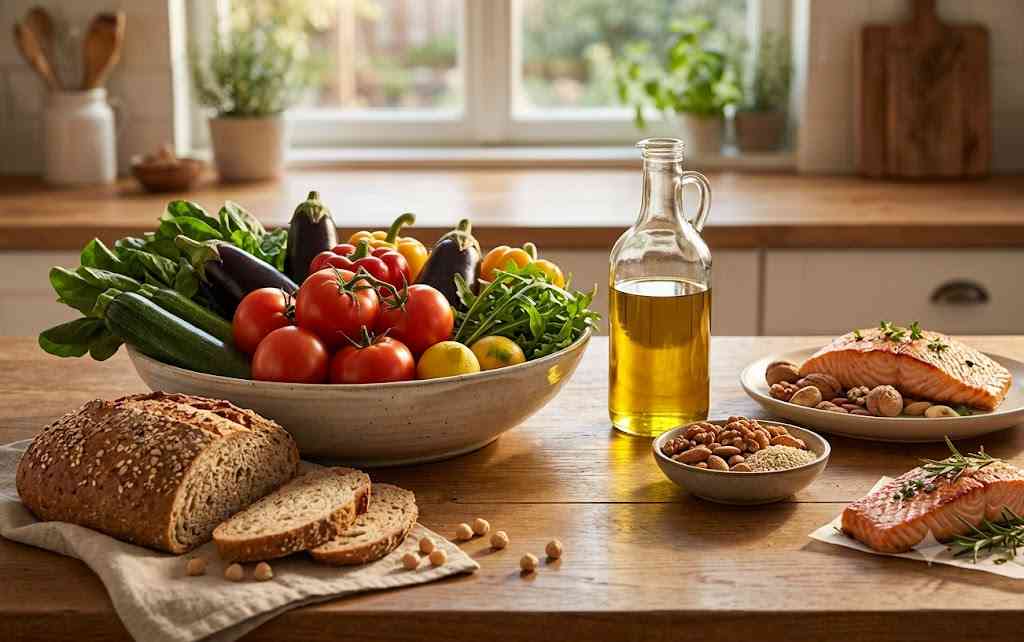
Vegetables are the foundation of every meal on the Mediterranean diet — not a side dish, but the main event. Think tomatoes, eggplant, zucchini, peppers, leafy greens, artichokes, cucumbers, and onions eaten abundantly. Fruits are consumed daily as dessert or snacks — particularly seasonal varieties eaten whole.
Whole Grains (Daily)
Bread, pasta, and rice are part of Mediterranean eating — but in their whole-grain forms, and in moderate portions. The Mediterranean version of pasta is far smaller in portion than what most Americans are used to, eaten as part of a mixed meal with vegetables and protein rather than as the centerpiece.
Legumes (Several Times a Week)
Chickpeas, lentils, cannellini beans, and black-eyed peas are central to Mediterranean cuisine and provide plant-based protein, fiber, and minerals. They're used in soups, stews, salads, dips (hummus), and as stand-alone dishes.
Olive Oil (Daily, as the Primary Fat)
Extra-virgin olive oil (EVOO) replaces butter and other cooking fats entirely. It's used for cooking, dressing salads, dipping bread, and finishing dishes. EVOO is rich in monounsaturated fats and polyphenols — antioxidant compounds that have been studied for anti-inflammatory and cardioprotective effects. This is one of the most research-supported elements of the entire dietary pattern.
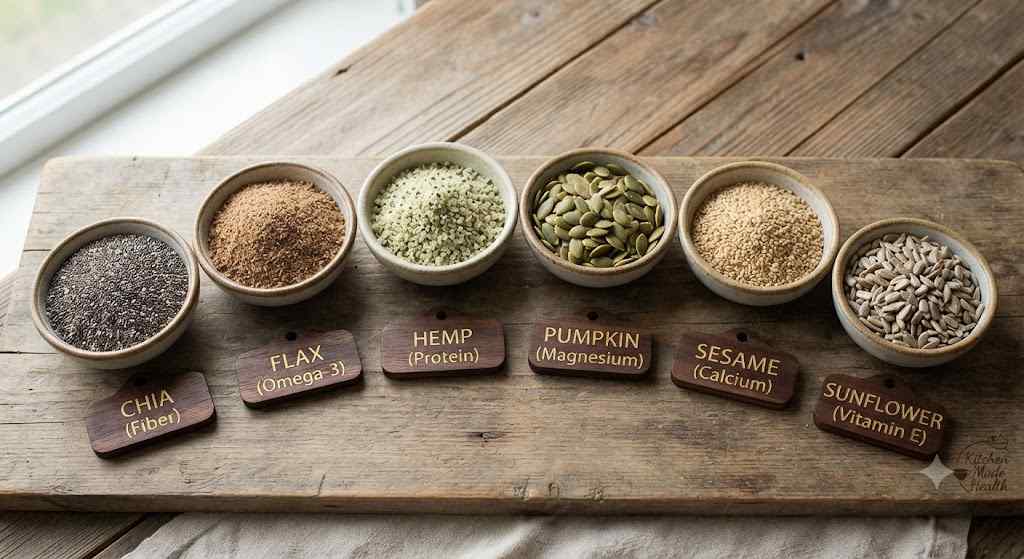
Nuts and Seeds (Daily, in Small Amounts)
Walnuts, almonds, pistachios, pine nuts, and sesame seeds (in tahini) are eaten regularly in small amounts — as snacks, scattered over salads, or incorporated into dishes.
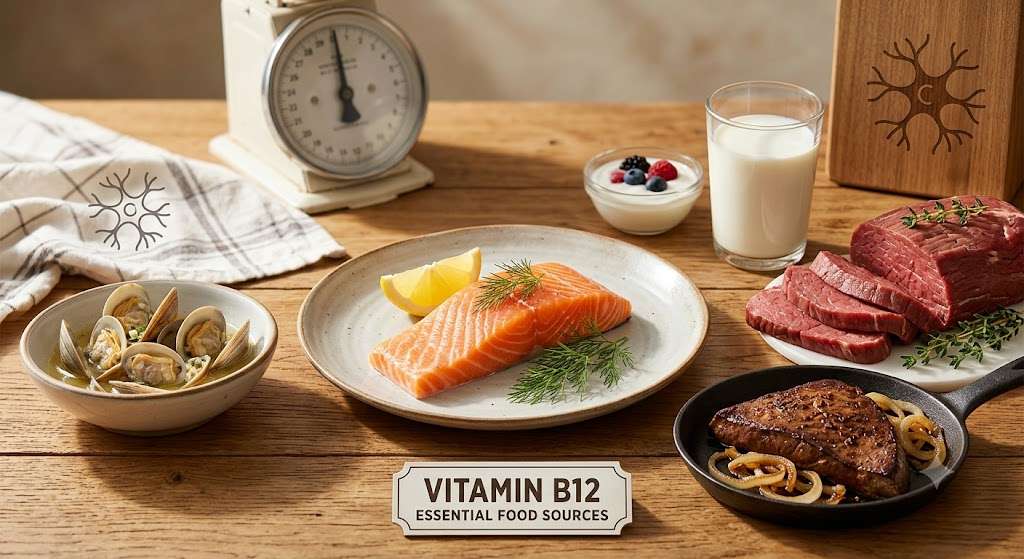
Fish and Seafood (2+ Times per Week)
Fatty fish — sardines, salmon, mackerel, anchovies, tuna — are the primary animal protein source. They provide omega-3 fatty acids that are largely absent from most American diets. Shellfish and other seafood are also included regularly.
Moderate Foods — What You Eat Occasionally
Poultry: Chicken and turkey a few times per week — not daily as in many American diets
Eggs: Several per week — often incorporated into dishes rather than as the main protein
Dairy: Primarily as cheese (small amounts of aged, flavorful cheeses like feta and Parmesan) and yogurt — not as milk, butter, or American-style processed cheese
Red wine: In traditional Mediterranean culture, a moderate amount of red wine with meals is included — though this is not a recommended addition for people who don't already drink
Rare Foods — What You Eat Very Little Of
Red meat (beef, pork, lamb) — a few times per month at most, not daily
Processed and cured meats (sausage, deli meats)
Butter and cream
Added sugars and sweetened beverages
Ultra-processed packaged foods
What the Research Says
The Mediterranean diet is one of the most extensively studied dietary patterns in the world. Key research findings include:
Heart disease: The landmark PREDIMED trial found that participants assigned to a Mediterranean diet supplemented with olive oil or nuts had a 30% reduction in major cardiovascular events (heart attack, stroke, cardiovascular death) compared to a low-fat control diet over nearly 5 years.
Type 2 diabetes: Multiple studies have found that the Mediterranean diet is associated with improved blood sugar control and reduced risk of developing type 2 diabetes.
Brain health and dementia: Research has found associations between adherence to the Mediterranean diet and slower cognitive decline, reduced risk of Alzheimer's disease, and better memory performance in older adults.
Longevity: Populations in Mediterranean regions consistently appear in longevity research and "Blue Zone" studies — geographic areas with exceptional concentrations of people living past 90 and 100. Diet is one significant factor among several.
Mental health: Emerging research — including a clinical trial from Australia — found that a Mediterranean dietary intervention significantly reduced symptoms of depression in adults with major depressive disorder compared to social support alone.
How to Start the Mediterranean Diet at an American Grocery Store
You don't need specialty stores or expensive imports. Here's a simple American adaptation:
Switch your cooking oil to extra-virgin olive oil
Add a can of chickpeas or lentils to your cart every shopping trip
Buy frozen salmon fillets (affordable and nutritious) and aim to cook fish twice a week
Replace your snack chips with a small handful of mixed nuts
Add one more vegetable to every dinner plate
Swap white bread for whole-grain or sourdough bread
Use Greek yogurt instead of sour cream or mayo in recipes
Small, consistent shifts toward this pattern over weeks and months produce meaningful cumulative results. You don't need to overhaul your entire diet overnight.
Frequently Asked Questions
Can I follow the Mediterranean diet on a budget?
Yes — the Mediterranean diet is naturally economical because its protein sources (legumes, canned fish, eggs) are far less expensive than meat. Dried lentils and beans, canned chickpeas, frozen fish, seasonal vegetables, oats, and eggs are all affordable staples. Olive oil is the most expensive item but a small amount goes a long way in cooking.
Is the Mediterranean diet good for weight loss?
Research has found that the Mediterranean diet is effective for modest, sustainable weight loss — comparable to other recommended diets — without the need for calorie counting. Its high fiber and protein content support satiety, and the elimination of ultra-processed foods naturally reduces calorie intake for most people. However, portion sizes still matter, and weight loss results vary by individual.
Medical Disclaimer: This article is for informational and educational purposes only. It is not intended to diagnose, treat, cure, or prevent any health condition. Always consult a qualified healthcare provider or registered dietitian before making significant dietary changes, particularly if you have existing health conditions.