Zinc doesn't get the attention that vitamin D or magnesium receives in wellness conversations — but it should. Zinc is involved in over 300 enzymatic reactions in the human body and plays essential roles in immune function, wound healing, protein synthesis, DNA production, cell division, and even taste and smell. An estimated 12% of Americans — and up to 40% of older adults — don't consume adequate zinc, with significant downstream effects on health that are often attributed to other causes.
Here's a plain-English guide to what zinc does, what deficiency looks like, and the best food sources available in the US.
Quick TakeawayZinc is essential for immune defense, wound healing, skin health, hormone production, and taste and smell perception. Deficiency is surprisingly common — particularly in vegetarians, vegans, older adults, and people with digestive conditions. Most people can meet their zinc needs through diet if they eat the right foods consistently.
What Zinc Does in Your Body
Immune function: Zinc is required for the development and function of immune cells including T-cells, B-cells, and natural killer cells. Even mild zinc deficiency impairs immune response. This is why zinc lozenges and supplements are so widely marketed during cold and flu season — research supports a modest reduction in cold duration when zinc is taken within 24 hours of symptom onset.
Wound healing: Zinc is essential for collagen synthesis and cell proliferation during tissue repair. Zinc deficiency is a recognized cause of impaired wound healing and is routinely assessed in patients with slow-healing wounds or surgical recovery.
Skin health: Zinc has anti-inflammatory properties in skin tissue and plays a role in regulating sebaceous (oil) gland activity. Several clinical trials have found oral zinc supplementation comparable to low-dose antibiotics for reducing acne — particularly in people with low baseline zinc levels.
Hormone production: Zinc is required for testosterone synthesis in men and reproductive hormone regulation in women. Low zinc levels are associated with reduced testosterone and impaired fertility in males.
Taste and smell: Zinc is essential for the maintenance of taste and smell receptors. Anosmia (loss of smell) and altered taste perception are classic signs of zinc deficiency — which became more widely recognized during the COVID-19 pandemic when many patients experienced smell loss, prompting investigation of zinc status.
DNA synthesis and cell division: Every dividing cell in the body requires zinc. This makes adequate zinc particularly critical during periods of rapid growth — pregnancy, childhood, adolescence — and during tissue repair.
Signs of Zinc Deficiency
Zinc deficiency ranges from severe (rare in the US) to mild and subclinical (common). Mild deficiency often goes unrecognized because its symptoms are non-specific and overlap with many other conditions:
Frequent colds or infections — reduced immune resilience
Slow wound healing — cuts, scrapes, and surgical incisions take longer than expected
Hair thinning or hair loss
Skin problems including acne, dry skin, or eczema-like rashes
Reduced sense of taste or smell
Poor appetite
White spots on fingernails (though this has multiple causes)
Fatigue and low energy
In men: low testosterone-related symptoms
Who Is Most at Risk in the US
Vegetarians and vegans: Plant foods contain phytates — compounds that bind zinc and significantly reduce absorption. Vegetarians may need up to 50% more dietary zinc than omnivores to achieve the same absorbed amount. Legumes, grains, and seeds are good plant zinc sources but much less bioavailable than animal sources.
Older adults: Zinc absorption decreases with age, and older adults often eat smaller amounts of zinc-rich foods like meat and seafood.
People with digestive conditions: Crohn's disease, ulcerative colitis, and celiac disease impair zinc absorption and increase losses.
Pregnant and breastfeeding women: Zinc needs increase during pregnancy and lactation.
People who drink alcohol heavily: Alcohol reduces zinc absorption and increases zinc excretion through urine.
People taking certain medications: ACE inhibitors, diuretics, and some antibiotics can reduce zinc absorption or increase its loss.
Best Food Sources of Zinc
The recommended daily intake is 8 mg for adult women and 11 mg for adult men. Here are the best US-available food sources:
Oysters — Highest Food Source (74 mg per 3 oz serving)
Oysters contain more zinc per serving than any other food — by a significant margin. Six medium oysters provide approximately 32 mg of zinc — nearly three times the daily recommended intake in a single serving. Canned smoked oysters are available at most US grocery stores as an affordable alternative to fresh oysters.
Beef (Chuck Roast, Ground Beef) — 7 mg per 3 oz serving
Beef is the most practically significant zinc source for most Americans. A 3-ounce serving of cooked beef provides approximately 7 mg of zinc — nearly the full daily recommended intake for women. The zinc in beef is in a highly bioavailable form that doesn't require any special preparation to absorb.
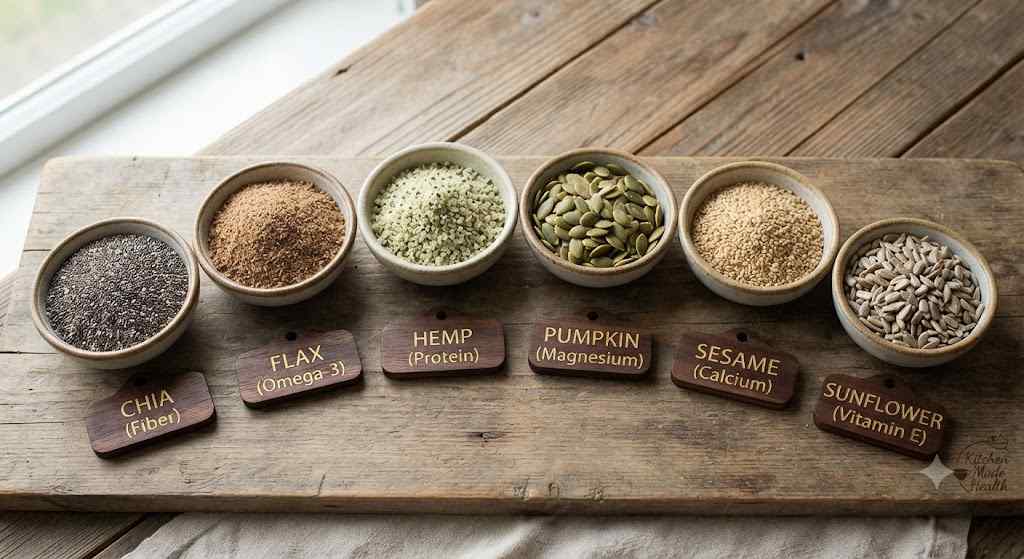
Pumpkin Seeds — 2.2 mg per oz (best plant source)
Pumpkin seeds (pepitas) are the richest plant-based zinc source available. An ounce provides about 2.2 mg of zinc along with magnesium, iron, and healthy fats. Soaking or sprouting pumpkin seeds reduces their phytate content and improves zinc bioavailability — a useful tip for vegetarians relying on plant sources.
Chickpeas and Lentils — 1.3–2.5 mg per cup cooked
Legumes are the most practical plant-based zinc source for daily consumption. Chickpeas, lentils, black beans, and kidney beans all provide meaningful zinc — though phytate content reduces absorption. Soaking dried legumes overnight and discarding the soaking water reduces phytate content significantly.
Cashews — 1.6 mg per oz
Among nuts, cashews are the best zinc source. A small handful provides a meaningful contribution toward daily zinc needs, along with magnesium and healthy fats. Pair with a vitamin C-rich food to enhance non-heme mineral absorption.
Dairy — Cheese and Yogurt
Dairy products provide moderately bioavailable zinc. A 1-ounce serving of cheddar cheese provides approximately 1 mg of zinc, and Greek yogurt provides about 1.5 mg per cup. The protein in dairy may enhance zinc absorption compared to plant sources.
Eggs — 0.6 mg per large egg
Eggs are a modest but consistent zinc source — two eggs at breakfast contribute about 1.2 mg toward daily intake. Combined with other zinc sources through the day, they make a meaningful contribution.
Should You Take a Zinc Supplement?
For most people who eat a varied diet including animal products, food sources are sufficient to meet zinc needs. Zinc supplements are reasonable for: vegetarians and vegans, older adults eating small amounts, people recovering from illness or surgery, and anyone with a diagnosed deficiency.
The most absorbable supplemental forms are zinc gluconate, zinc citrate, and zinc picolinate — avoid zinc oxide, which is the least bioavailable common form. Do not exceed 40 mg per day from supplements (the tolerable upper limit for adults) — excess zinc interferes with copper absorption and can actually impair immune function at high doses. Take zinc supplements with food to reduce nausea.
Frequently Asked Questions
Does zinc really help with colds?
The evidence is supportive but specific: zinc lozenges or syrup (not standard supplement capsules) taken within 24 hours of cold symptom onset have been found in several meta-analyses to reduce the duration of common colds by approximately 1–2 days. The proposed mechanism is that zinc ions released in the throat and nasal passages directly interfere with rhinovirus replication. This effect requires direct contact with the mucous membranes — swallowed zinc capsules have not shown the same benefit for cold duration.
Can I eat too much zinc through food?
Zinc toxicity from food sources alone is extremely rare — the body regulates zinc absorption efficiently from food. Zinc toxicity is almost exclusively associated with excessive supplementation. Symptoms of excessive zinc intake include nausea, vomiting, loss of appetite, stomach cramps, and — with chronic high-dose supplementation — copper deficiency, which can cause neurological problems. Stay within the tolerable upper limit of 40 mg per day from all sources combined.
Medical Disclaimer: This article is for informational and educational purposes only. It is not intended to diagnose, treat, cure, or prevent zinc deficiency or any related health condition. Zinc supplementation should be guided by a healthcare provider, particularly if you take medications or have digestive conditions that affect mineral absorption.