For people who are managing blood sugar levels — whether due to type 2 diabetes, prediabetes, or simply a desire to feel more energetically stable — the foods you keep in your kitchen matter enormously. Not all carbohydrates affect blood sugar the same way, and that's where the concept of the glycemic index (GI) becomes useful.
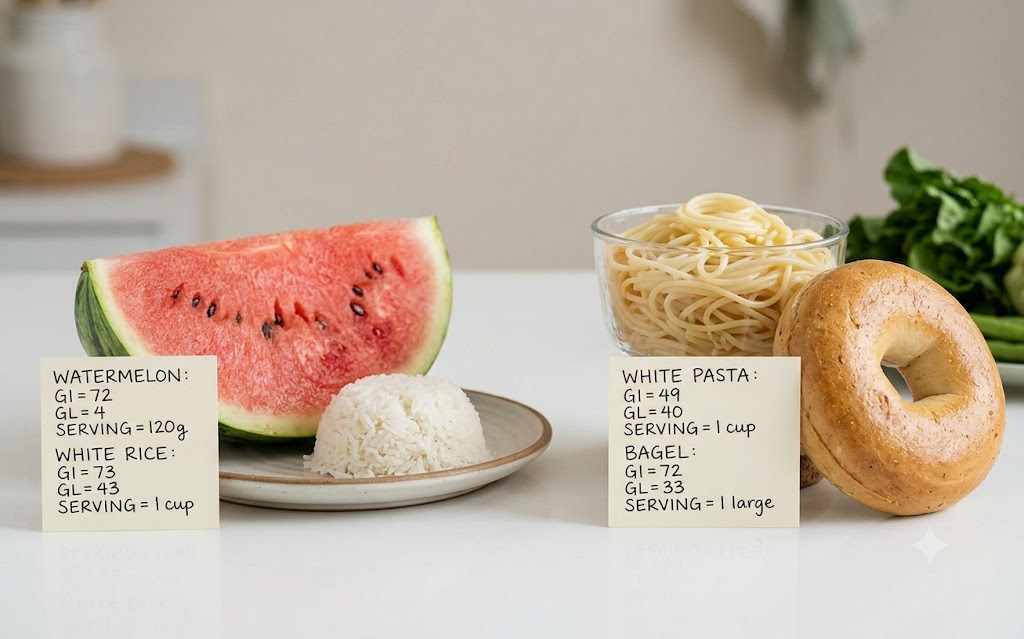
The glycemic index is a ranking system from 0 to 100 that measures how quickly a food raises blood glucose levels after eating. Low-GI foods (55 or below) are digested and absorbed more slowly, producing a gentler rise in blood sugar. High-GI foods cause faster spikes.
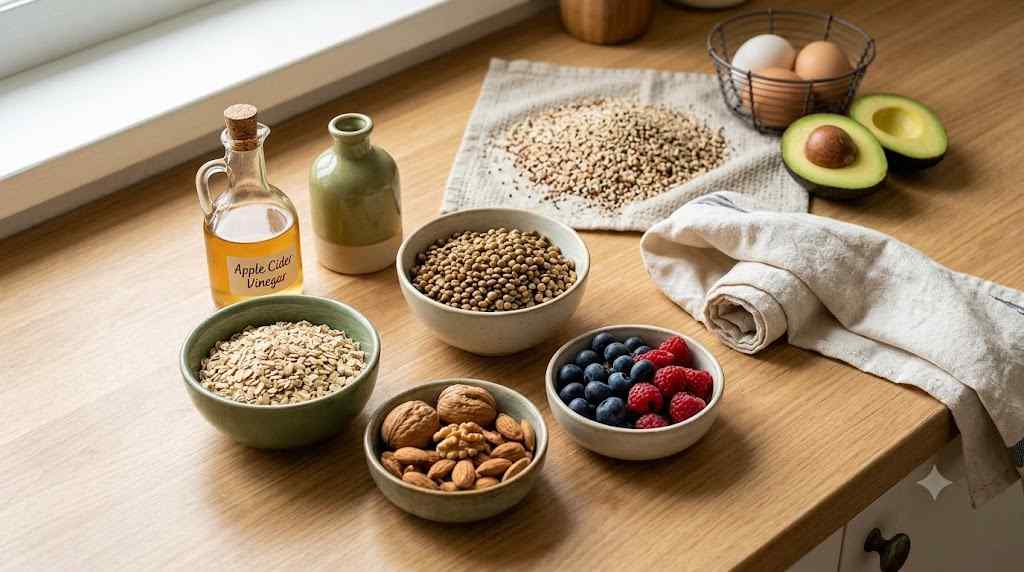
Here are ten low-glycemic foods worth keeping in your kitchen — each with a brief look at why they're beneficial and how to enjoy them.
Quick TakeawayLow-glycemic eating isn't about eliminating carbohydrates — it's about choosing carbohydrates that digest more slowly and keep blood sugar levels more stable. These ten foods make that approach practical and affordable.
1. Lentils (GI: ~32)
Lentils are one of the most blood-sugar-friendly foods available. They're high in both fiber and protein, which slow digestion and blunt the blood sugar response. They're also an excellent source of folate, iron, and magnesium.
Kitchen use: Make lentil soup, add cooked lentils to salads, or serve as a side dish in place of white rice.
2. Steel-Cut Oats (GI: ~42–55)
Not all oats are equal. Steel-cut oats — which are less processed than instant oats — have a lower glycemic index and digest more slowly. They're rich in beta-glucan, a soluble fiber that researchers have studied for its role in supporting healthy blood glucose responses after meals.
Kitchen use: Cook a batch on Sunday and refrigerate portions for easy weekday breakfasts. Top with nuts, cinnamon, and a small amount of berries rather than sweeteners.
3. Non-Starchy Vegetables: Broccoli, Zucchini, Cauliflower
Non-starchy vegetables are among the safest foods for blood sugar management. They're high in fiber, low in digestible carbohydrates, and packed with vitamins and minerals. Broccoli also contains a compound called sulforaphane, which some research has explored in connection with insulin sensitivity.
Kitchen use: Roast with olive oil and garlic, steam as a side, or blend cauliflower as a low-carb substitute for mashed potatoes or rice.
4. Berries (GI: ~25–53 depending on variety)
Berries are among the lowest-sugar fruits available, and their high antioxidant and fiber content helps slow sugar absorption. Strawberries, blueberries, raspberries, and blackberries are all excellent choices for people watching blood sugar levels.
Kitchen use: Add to plain Greek yogurt, oatmeal, or smoothies. Avoid berry juices, which remove fiber and concentrate sugar.
5. Nuts and Seeds
Almonds, walnuts, pistachios, pumpkin seeds, and chia seeds have very low glycemic indexes. They're also rich in healthy fats, protein, and fiber — a combination that supports satiety and helps stabilize blood sugar when eaten with a meal or as a snack. Research has found that eating nuts with high-GI foods can help lower the overall glycemic response of that meal.
Kitchen use: Eat a small handful as a between-meal snack, sprinkle over salads or oatmeal, or use nut butters (without added sugar) on celery or apple slices.
6. Eggs
Eggs have essentially no carbohydrates and a glycemic index close to zero, making them one of the most blood-sugar-neutral foods you can eat. They're rich in high-quality protein and healthy fats, and research has found that eating eggs at breakfast may support better blood sugar control throughout the morning.
Kitchen use: Scrambled, poached, hard-boiled, or as omelets loaded with non-starchy vegetables.
7. Avocado
Avocado is high in monounsaturated fat and fiber, with very few digestible carbohydrates. It has a negligible effect on blood sugar on its own and may actually help reduce the glycemic impact of the meal it's paired with, thanks to its fat and fiber content slowing digestion.
Kitchen use: Slice onto eggs, spread on whole-grain toast, add to salads, or make simple guacamole as a dip with vegetable sticks.
8. Quinoa (GI: ~53)
Compared to white rice (GI ~72) or white bread (GI ~75), quinoa is a significantly lower-glycemic grain option. It's also a complete protein — containing all nine essential amino acids — which is rare among plant foods. Its fiber content supports slower digestion and a steadier glucose response.
Kitchen use: Use as a base for grain bowls, substitute for rice in stir-fries, or cook and chill for use in salads throughout the week.
9. Plain Greek Yogurt (GI: ~11–23)
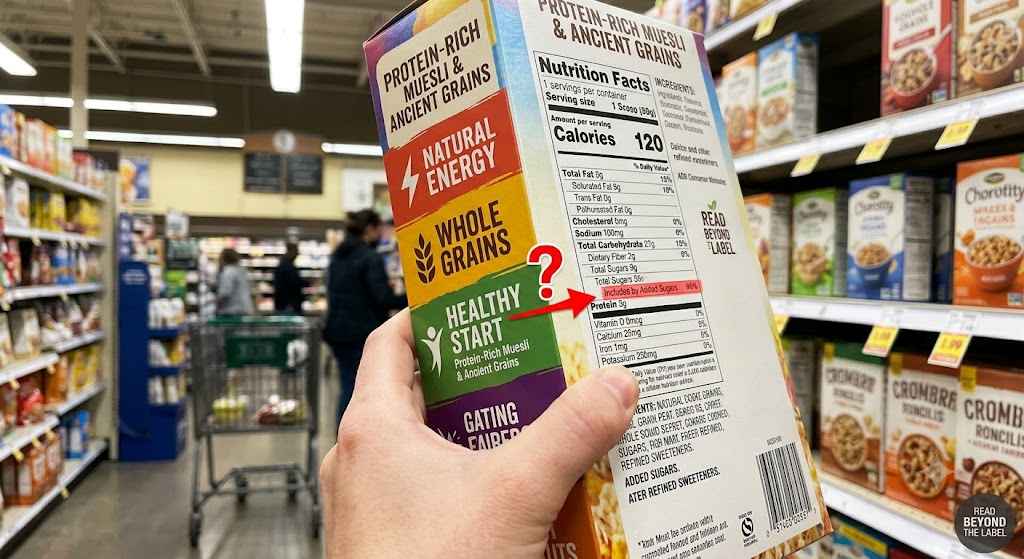
Plain, unsweetened Greek yogurt has a very low glycemic index thanks to its protein content and the lactic acid produced during fermentation. It also contains probiotics, which some research has explored in connection with insulin sensitivity and gut health. Choose plain varieties — flavored and sweetened yogurts can have significantly more sugar.
Kitchen use: Top with a small handful of berries and a sprinkle of chia seeds, use as a dip base, or as a substitute for sour cream.
10. Apple Cider Vinegar
Apple cider vinegar (ACV) has attracted attention in blood sugar research, with several small studies finding that consuming a small amount of vinegar before or with a high-carbohydrate meal may help moderate the blood sugar response. The acetic acid in vinegar is thought to slow starch digestion.
While the research is preliminary and ACV is not a treatment for diabetes, it's a popular addition to the diet of many Americans watching their blood sugar. Common approaches include diluting 1–2 tablespoons in a large glass of water before meals. Always check with your doctor before trying this, particularly if you take diabetes medication, as it may interact with some treatments.
A Sample Low-GI Day on a Plate
Breakfast: Steel-cut oats with blueberries, chia seeds, and walnuts
Lunch: Large salad with spinach, hard-boiled egg, avocado, pumpkin seeds, and lemon-olive oil dressing
Snack: Plain Greek yogurt with a small handful of strawberries
Dinner: Baked salmon with roasted broccoli and a side of quinoa
Frequently Asked Questions
Is the glycemic index the only thing that matters for blood sugar?
No. Portion size, how foods are combined (fats, proteins, and fiber all slow sugar absorption), cooking methods, and individual factors like gut microbiome all influence how your blood sugar responds to food. The glycemic index is a useful guide, but glycemic load — which accounts for portion size — and overall meal composition matter just as much.
Can eating low-GI foods replace diabetes medication?
No. Diet is an important part of managing blood sugar, but it should work alongside — not replace — treatment plans prescribed by your doctor. Never stop or adjust diabetes medication without speaking to your healthcare provider first.
Medical Disclaimer: This article is for informational and educational purposes only. It is not intended to diagnose, treat, cure, or prevent diabetes or any other health condition. Blood sugar management is a medical matter. Always consult your healthcare provider or a registered dietitian before making changes to your diet, especially if you have been diagnosed with diabetes or prediabetes.Start writing your guide…