Heartburn affects roughly 60 million Americans at least once a month, making it one of the most common digestive complaints in the country. That familiar burning sensation in your chest — caused by stomach acid creeping up into the esophagus — can strike after a heavy meal, a spicy dish, late-night eating, or sometimes seemingly out of nowhere.
While frequent or severe acid reflux (GERD) requires medical attention, occasional heartburn often responds well to simple home remedies. Here are nine approaches that many Americans find helpful for managing everyday heartburn discomfort.
Quick TakeawayHeartburn is caused by stomach acid refluxing into the esophagus. Many cases of occasional heartburn can be managed with diet adjustments, positioning, and simple kitchen remedies — but persistent symptoms should always be evaluated by a doctor.
1. Baking Soda and Water
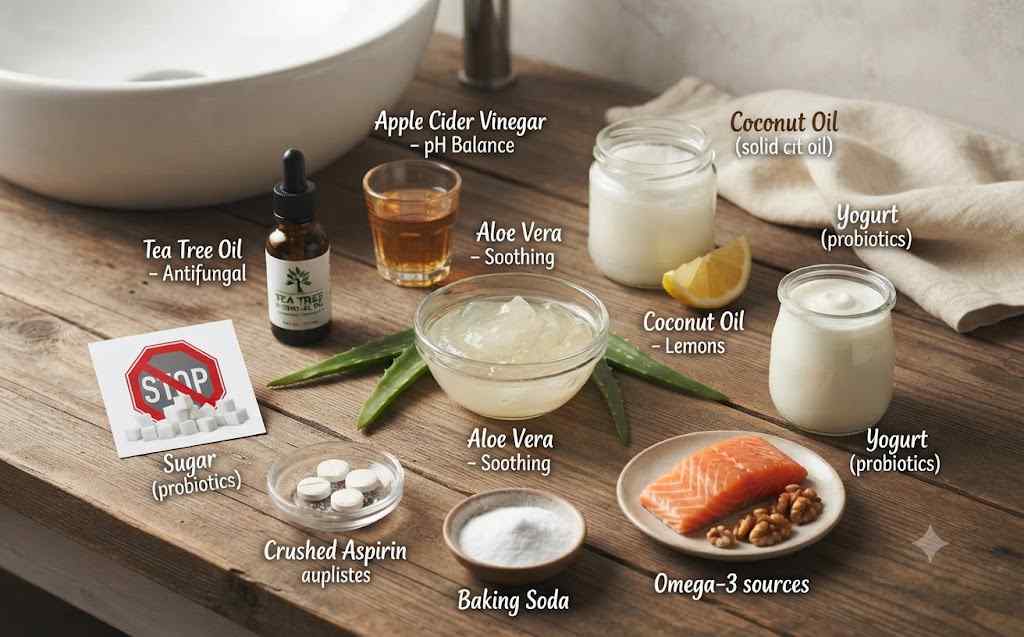
Baking soda (sodium bicarbonate) is one of the oldest and most widely used home remedies for heartburn in America. As a natural antacid, it neutralizes stomach acid almost immediately. Mix ½ teaspoon of baking soda into a glass of water and drink slowly.
This works best for occasional, mild heartburn. It's not suitable for frequent use because of its high sodium content, and people on sodium-restricted diets should avoid it. Do not use this remedy more than a few times per week without speaking to a doctor.
2. Chewing Gum After Meals
Chewing sugar-free gum for 20–30 minutes after a meal is one of the more surprising heartburn remedies — and it actually has research support. Chewing gum stimulates saliva production, which is naturally alkaline and helps neutralize acid in the esophagus. It also promotes swallowing, which clears acid from the esophageal lining more quickly.
Choose sugar-free, non-mint varieties — peppermint can actually relax the lower esophageal sphincter and worsen reflux in some people.
3. Aloe Vera Juice
Aloe vera is known for its soothing properties on irritated tissue. Drinking a small amount of food-grade aloe vera juice (about ½ cup before meals) is a popular remedy for soothing the lining of the esophagus and stomach. Some research has explored aloe vera's role in reducing acid reflux symptoms, with promising early results.
Use only food-grade aloe vera juice intended for internal consumption, not the topical gel. Start with a small amount to assess your tolerance.
4. Ginger Tea
Ginger has a long history of use for digestive complaints, and for good reason. It may help speed stomach emptying (reducing the time acid has to reflux) and has natural anti-inflammatory properties. A cup of fresh ginger tea — made by steeping a few slices of fresh ginger in hot water for 10 minutes — is a gentle and comforting remedy for heartburn and general digestive discomfort.
Avoid ginger ale, which typically contains little real ginger and a lot of added sugar.
5. Eat Smaller, More Frequent Meals
One of the most effective lifestyle adjustments for heartburn is simply changing how much you eat at one sitting. Large meals distend the stomach and increase pressure on the lower esophageal sphincter — the muscle that keeps stomach acid from rising. Eating smaller portions more frequently keeps stomach pressure lower and reduces the likelihood of reflux.
Try eating 4–5 smaller meals rather than 2–3 large ones, and avoid eating within 2–3 hours of lying down or going to bed.
6. Elevate the Head of Your Bed
Nighttime heartburn is especially common because lying flat makes it easier for acid to travel up the esophagus. Elevating the head of your bed by 6–8 inches (using bed risers or a wedge pillow) uses gravity to keep acid in your stomach while you sleep.
Simply propping yourself up with more pillows isn't as effective because it can bend your body at the waist rather than elevating your whole upper body — which can actually increase abdominal pressure.
7. Identify and Limit Trigger Foods
Certain foods are known to trigger or worsen heartburn by relaxing the lower esophageal sphincter or increasing acid production. Common culprits for Americans include:
Spicy foods (hot sauce, chili peppers)
Citrus fruits and juices
Tomatoes and tomato-based sauces
Chocolate
Coffee and caffeinated drinks
Alcohol
Fatty or fried foods
Peppermint
Keeping a simple food diary for a week can help you identify your personal triggers — they vary from person to person.
8. Apple Cider Vinegar (Use with Caution)
This one is controversial but widely used. Some people swear that a small amount of diluted apple cider vinegar (1 teaspoon in a glass of water before meals) helps their heartburn, with the theory being that it helps regulate stomach acid balance. However, for others — particularly those with erosive esophagitis — acidic substances like ACV can worsen symptoms.
If you want to try it, start with a very small, diluted amount and stop immediately if symptoms worsen. This is one where individual response varies significantly.
9. Licorice Root (DGL)
Deglycyrrhizinated licorice (DGL) is a form of licorice extract that has had a specific compound removed to make it safer for regular use. It has been studied for its ability to soothe the lining of the stomach and esophagus and is available as chewable tablets in health food stores across the US.
Some research supports its use for reducing heartburn and indigestion symptoms. It's considered safer than regular licorice root for ongoing use, though you should still check with a healthcare provider before adding any supplement to your routine.
When to See a Doctor
Occasional heartburn is very common and usually not cause for concern. However, see a healthcare provider if:
You experience heartburn more than twice a week
Symptoms don't improve with over-the-counter antacids or home remedies
You have difficulty swallowing
You experience unexplained weight loss or persistent nausea
You have chest pain (always rule out heart-related causes)
Frequently Asked Questions
Is heartburn the same as acid reflux?
Heartburn is the symptom — the burning sensation in the chest. Acid reflux is the process causing it (stomach acid moving up into the esophagus). GERD (Gastroesophageal Reflux Disease) is the chronic, more severe form of acid reflux that occurs regularly and may require medical treatment.
Does drinking milk help heartburn?
Milk may provide temporary relief because it's alkaline and coats the esophagus. However, the fat and protein in milk can stimulate more acid production shortly after, which may worsen symptoms over time. It's a short-term fix at best for most people.
Can stress cause heartburn?
Yes — stress doesn't directly cause more stomach acid, but it can make the esophagus more sensitive to acid and may affect digestive motility. Many people notice their heartburn worsens during stressful periods. Stress management practices like deep breathing and regular exercise may help as part of an overall approach.
Medical Disclaimer: This article is for informational and educational purposes only. It is not intended to diagnose, treat, cure, or prevent any health condition including GERD or acid reflux disease. Always consult a qualified healthcare provider for persistent or severe digestive symptoms.Start writing your guide…