Female hair loss — medically called female pattern hair loss (FPHL) or androgenetic alopecia in its most common form — affects approximately 40% of women by age 50 and represents one of the most emotionally impactful health concerns women face. Unlike the well-recognized receding hairline of male pattern baldness, female hair loss typically presents as gradual overall thinning, widening of the part line, or reduced hair density that can be subtle for years before becoming obvious.
Critically, female hair loss has multiple distinct causes — each with different treatment approaches. Identifying the right cause is the essential first step before any remedy, natural or medical, can be effective.
Quick TakeawayThe most common causes of hair loss in women are iron deficiency, thyroid imbalance, hormonal changes (post-pregnancy, perimenopause, stopping hormonal contraception), chronic stress (telogen effluvium), and androgenetic alopecia. Most of these have effective interventions — but blood testing to identify the underlying cause is essential before beginning any treatment.
Common Causes of Hair Loss in Women
Iron Deficiency — Most Common Nutritional Cause
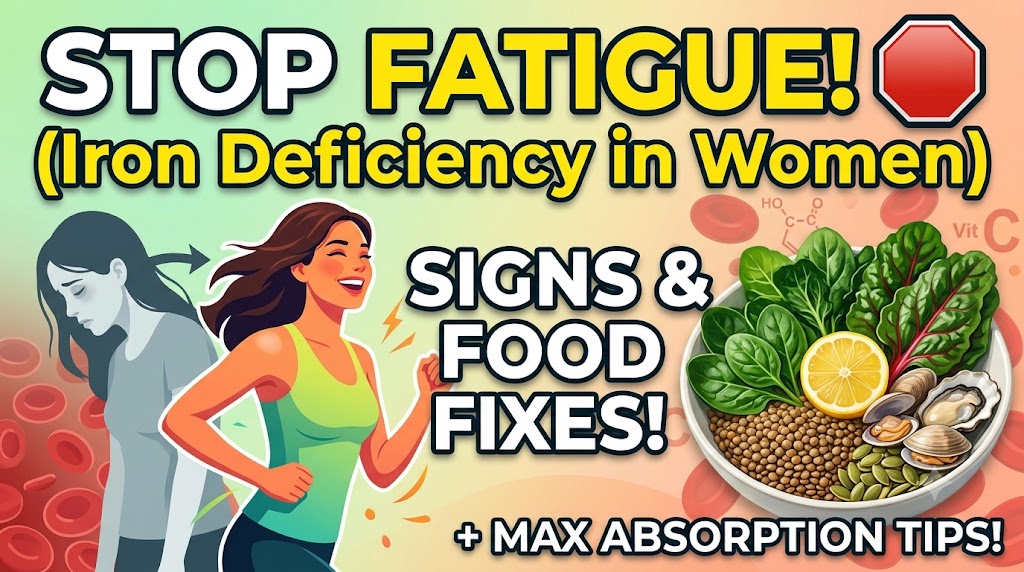
Iron deficiency is the most frequently identified nutritional cause of hair loss in premenopausal women. The hair follicle is one of the body's most metabolically active tissues — iron is required for rapid cell division during the growth phase of the hair cycle. When serum ferritin (stored iron) drops, the follicle prioritizes other tissues, shortening the active growth phase and producing increased shedding. Ferritin below 30–40 ng/mL — a level considered "normal" by many standard reference ranges — is associated with hair loss in research, even without clinical anemia. Request a serum ferritin test specifically rather than relying on a standard CBC.
Thyroid Imbalance
Both hypothyroidism and hyperthyroidism cause hair loss — the hair follicle is exquisitely sensitive to thyroid hormone levels. Thyroid-related hair loss tends to be diffuse (all over the scalp rather than in specific areas) and is accompanied by other thyroid symptoms (fatigue, weight change, temperature sensitivity, mood changes). TSH, free T3, free T4, and thyroid antibody testing are necessary for a complete thyroid picture. Hair loss from thyroid conditions typically reverses once thyroid function is restored — though regrowth can take 6–12 months.
Telogen Effluvium — Stress and Shock Shedding
Telogen effluvium is a form of temporary, diffuse hair shedding triggered by physical or psychological stress — surgery, significant illness, major emotional trauma, rapid weight loss, childbirth, or severe nutritional deficiency. The trigger pushes a large proportion of hair follicles into the resting (telogen) phase simultaneously, producing significant shedding 2–3 months after the triggering event. This is why post-pregnancy hair loss is so common — it occurs 2–4 months after delivery and can be alarming but is self-resolving within 6–12 months in most cases.
Androgenetic Alopecia (Female Pattern Hair Loss)
Female pattern hair loss is hormonally influenced — androgen sensitivity in the hair follicle causes a shortening of the growth cycle and miniaturization of follicles over time. It tends to present as diffuse thinning at the crown and widening of the part, with the frontal hairline generally preserved (unlike male pattern baldness). Genetics, hormonal changes of perimenopause, and PCOS can all accelerate this pattern.
Natural and Nutritional Strategies for Hair Loss in Women
Correct Iron Deficiency First
If iron deficiency is identified, correcting it is the most impactful single intervention for nutritional hair loss. Eat iron-rich foods — red meat, shellfish, lentils, spinach — alongside vitamin C sources. Supplemental iron (under medical guidance, with ferritin monitoring) may be required to restore ferritin to levels associated with hair regrowth (generally above 70–80 ng/mL in research on hair loss specifically).
Scalp Massage
A 2016 Japanese study found that standardized scalp massage (4 minutes daily) increased hair thickness after 24 weeks. The proposed mechanism is increased blood flow to hair follicles and mechanical stimulation that may support follicle health. Scalp massage is a low-cost, zero-risk practice that can be done with fingertips or a silicone scalp massager in the shower.
Rosemary Oil
A 2015 randomized controlled trial found that rosemary oil applied to the scalp twice daily was as effective as 2% minoxidil (Rogaine) for increasing hair count after 6 months, with significantly less scalp itching. Dilute rosemary essential oil in a carrier oil (jojoba or coconut) at a 2–3% concentration, massage into the scalp, and leave on for at least 30 minutes before washing. Results require consistent use for at least 3–6 months.
Protein and Biotin-Rich Diet
Hair is primarily made of keratin — a protein — and inadequate dietary protein directly impairs hair growth. Ensure adequate protein intake (0.7–1g per pound of body weight daily). Biotin deficiency is often cited for hair loss and marketed heavily in supplements — but true biotin deficiency is rare in people eating varied diets. However, ensuring adequate biotin through eggs, almonds, sweet potatoes, and salmon is reasonable nutrition practice regardless.
Frequently Asked Questions
How much daily hair shedding is normal?
Losing 50–100 hairs per day is considered within the normal range — the average scalp has 100,000+ hairs in various stages of growth and shedding. Hair appears to shed more when washing or brushing simply because multiple days' worth of loosened hairs are released at once. A practical way to assess whether shedding is genuinely increased: compare the size of the hair accumulation in your shower drain or brush to your baseline from 6–12 months ago. A significant increase in shed hair volume, or visible thinning at the part or crown, warrants evaluation.
Do hair vitamins and supplements actually work?
Hair supplements are effective when they correct a genuine underlying deficiency — iron, vitamin D, biotin, zinc, or protein inadequacy. They are not effective for androgenetic alopecia (the most common form of female hair loss), as this is a hormonal and genetic condition that doesn't respond to nutritional supplementation alone. Many popular hair growth supplements contain ingredients with minimal evidence. The most evidence-supported nutritional interventions for hair loss are correcting iron deficiency, ensuring adequate protein intake, and addressing any diagnosed vitamin D or zinc deficiency — ideally guided by blood testing rather than guesswork.
Medical Disclaimer: This article is for informational and educational purposes only. Hair loss in women has multiple potential causes requiring medical evaluation. Always consult a dermatologist or healthcare provider for diagnosis before beginning treatment, as different causes require different approaches.