One of the most frustrating experiences for people managing blood sugar is eating what they believe are healthy foods — only to find their glucose levels spiking unexpectedly. The reason is often hidden sugars: added sugars and high-glycemic ingredients lurking in products marketed as nutritious, natural, or diet-friendly.
The average American consumes approximately 77 grams of added sugar per day — more than three times the American Heart Association's recommended limit for women and double the limit for men. Much of this sugar is invisible, hidden in plain sight on grocery store shelves under misleading labels. Here are 12 of the most common offenders — and what to eat instead.
Quick Takeaway"Natural," "low-fat," "whole grain," and "healthy" labels on packaging do not guarantee low sugar content. Always check the nutrition facts panel for total carbohydrates, added sugars, and fiber — not just the front-of-pack marketing claims.
1. Flavored Yogurt
Plain Greek yogurt is one of the healthiest foods available. But flavored yogurts — including many marketed as "light," "low-fat," or "fruit on the bottom" — can contain 20–30 grams of added sugar per container. That's equivalent to 5–7 teaspoons of sugar in what most people consider a healthy breakfast.
Better choice: Plain Greek yogurt with fresh berries or a small drizzle of raw honey. You control the sweetness and get the protein and probiotic benefits without the sugar load.
2. Granola and Granola Bars
Granola has a health halo that its sugar content rarely deserves. A half-cup serving of many popular granola brands contains 12–18 grams of sugar — and most people pour far more than half a cup. Granola bars marketed as "protein," "energy," or "whole grain" are frequently just candy bars in disguise, with 15–25 grams of sugar per bar.
Better choice: Old-fashioned rolled oats with nuts and cinnamon, or look for granola with fewer than 5 grams of added sugar per serving and visible whole ingredients.
3. Bottled Smoothies and Juice Cleanses
Bottled smoothies from brands like Naked, Odwalla, or Bolthouse Farms — and most commercial "cold-pressed" juices — contain 40–60 grams of sugar per bottle, almost entirely from concentrated fruit. Even though this sugar comes from "natural" fruit sources, it behaves identically to added sugar in the body: rapid absorption, significant blood sugar spike, no fiber to slow it down.
Better choice: Make smoothies at home with whole fruit (not juice), leafy greens, Greek yogurt or protein powder, and chia seeds. The fiber from whole ingredients dramatically changes the glucose response.
4. Flavored Oatmeal Packets
Instant oatmeal packets marketed as "healthy" or "heart-smart" — particularly flavored varieties like maple brown sugar, apple cinnamon, or peaches and cream — typically contain 12–15 grams of added sugar per packet. The base oats are processed enough that their glycemic impact is already higher than steel-cut oats, and the added sugar compounds the problem.
Better choice: Plain steel-cut or old-fashioned rolled oats with your own toppings: cinnamon, fresh berries, a tablespoon of nut butter, and a small drizzle of honey if needed.
5. Salad Dressings
Bottled salad dressings — particularly fat-free and "light" varieties — often compensate for removed fat with added sugar. Fat-free raspberry vinaigrette, honey mustard, and balsamic glaze dressings commonly contain 5–10 grams of sugar per 2-tablespoon serving, and most people use 3–4 tablespoons. A healthy salad can easily accumulate 20+ grams of sugar from dressing alone.
Better choice: Make your own dressing with extra-virgin olive oil, lemon juice or apple cider vinegar, Dijon mustard, and herbs. Takes 2 minutes and has essentially no added sugar.
6. Whole Wheat Bread
Many Americans assume whole wheat bread is automatically blood-sugar friendly. But commercial whole wheat bread — including most supermarket brands — contains refined flour as the first or second ingredient despite "whole wheat" branding. Many varieties also contain added sugar as the third or fourth ingredient. Two slices can deliver 6–10 grams of sugar and have a glycemic index comparable to white bread.
Better choice: Look for bread with "100% whole grain" or "100% whole wheat" as the first ingredient, at least 3 grams of fiber per slice, and fewer than 2 grams of added sugar per slice. Sourdough bread, despite not being "whole grain," has a notably lower glycemic index due to its fermentation process.
7. Pasta Sauce (Jarred)
A half-cup serving of many popular jarred pasta sauces contains 8–12 grams of added sugar — sometimes more than a serving of ice cream. Sugar is added to commercially produced sauces to balance the acidity of tomatoes, but at levels that cause meaningful blood sugar spikes. This is particularly surprising because tomato sauce seems like such a savory food.
Better choice: Look for jarred sauces with fewer than 4 grams of added sugar per serving (several brands offer this) or make a simple sauce by simmering canned crushed tomatoes with olive oil, garlic, and herbs — no sugar needed.
8. Sports Drinks and Vitamin Waters
Gatorade, Powerade, and many "enhanced water" products contain 14–36 grams of sugar per bottle — and most people drink the entire bottle in one sitting. These products are designed for athletes who need rapid carbohydrate replenishment during sustained high-intensity exercise. For most Americans drinking them at their desk or during a casual workout, they function as liquid sugar with minimal benefit.
Better choice: Water with a pinch of sea salt and a squeeze of lemon for general hydration. True electrolyte needs during long workouts can be met with coconut water, which has natural sugars but also meaningful potassium and electrolytes.
9. "Low-Fat" Peanut Butter
Regular natural peanut butter contains just peanuts and salt — and the fat it contains is heart-healthy monounsaturated fat. "Reduced fat" or "low-fat" peanut butter versions remove some of the fat and replace it with sugar, corn syrup, or maltodextrin. You end up with less healthy fat and more blood-sugar-spiking carbohydrates for no meaningful calorie benefit.
Better choice: Natural peanut butter or almond butter with peanuts (or almonds) as the only ingredient. Stir before using to incorporate the natural oils.
10. Breakfast Cereals — Including "Healthy" Ones
Even cereals marketed to health-conscious adults — raisin bran, muesli, "multigrain" options — frequently contain 12–20 grams of sugar per serving. Raisin bran in particular often contains more sugar per serving than Frosted Flakes. The raisins themselves are concentrated sugar, and manufacturers add additional sugar on top.
Better choice: Plain rolled oats, plain shredded wheat (unsweetened), or look for cereals with fewer than 5 grams of added sugar per serving and at least 4 grams of fiber. Always check the label regardless of marketing claims.
11. Teriyaki Sauce and Stir-Fry Sauces
Asian-inspired condiments and cooking sauces — teriyaki, hoisin, sweet chili, oyster sauce — are among the most sugar-dense condiments available. Two tablespoons of teriyaki sauce typically contains 8–12 grams of sugar. Marinating chicken in teriyaki sauce for a "healthy" stir-fry dinner can easily add 20–30 grams of sugar to an otherwise blood-sugar-friendly meal.
Better choice: Make your own teriyaki sauce using coconut aminos (lower sugar than soy sauce), a small amount of honey or monk fruit sweetener, ginger, and garlic. Or look for reduced-sugar versions at Asian grocery stores.
12. Flavored Coffee Drinks
A medium vanilla latte or caramel macchiato from a major coffee chain contains 35–55 grams of sugar — the equivalent of a large soda. Blended coffee drinks can exceed 70 grams of sugar in a single serving. These beverages are so normalized in American culture that many people don't register them as sugar-heavy despite consuming them daily.
Better choice: Black coffee, an Americano, or a latte made with unsweetened almond milk and no flavored syrups. If you need sweetness, ask for one pump of syrup instead of the standard 3–4 pumps — this reduces sugar by 60–70% while keeping some flavor.
How to Read Labels for Hidden Sugar
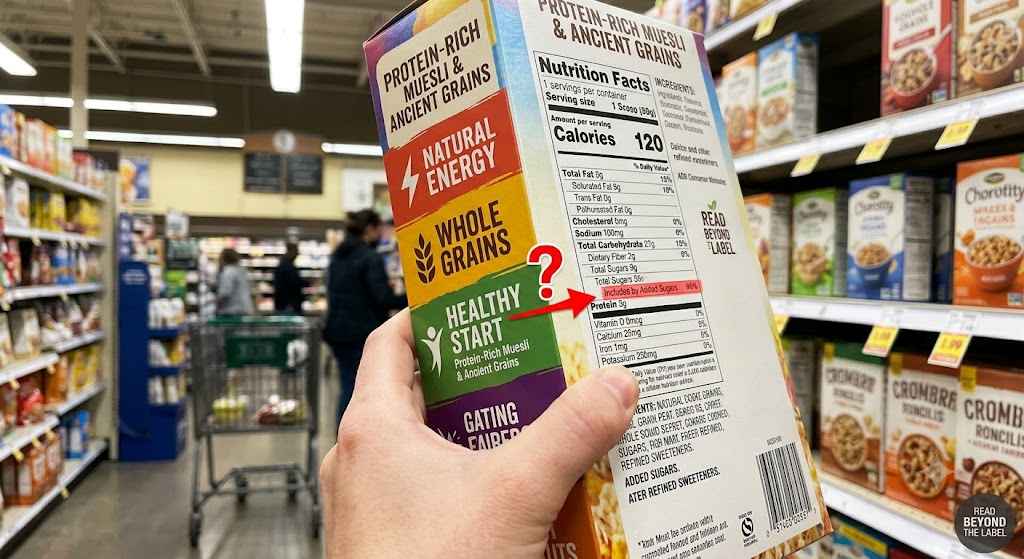
Sugar appears on ingredient lists under over 60 different names including: high fructose corn syrup, maltodextrin, dextrose, sucrose, agave nectar, evaporated cane juice, fruit juice concentrate, brown rice syrup, and molasses. When reading a label, check both the total carbohydrates and the "added sugars" line (now required on US nutrition labels since 2020). Aim for fewer than 5 grams of added sugar per serving for most packaged foods.
Frequently Asked Questions
Is natural sugar (from fruit) as bad as added sugar for blood sugar?
Whole fruit contains sugar alongside fiber, water, and micronutrients that slow absorption and blunt the blood sugar response. This makes whole fruit significantly less impactful on blood sugar than the same amount of sugar from refined sources. However, fruit juice removes the fiber and concentrates the sugar — making it behave much more like added sugar. Dried fruit and fruit juice concentrate are similarly concentrated sugar sources that should be used sparingly by those managing blood sugar.
What is a safe daily added sugar limit for someone managing blood sugar?
The American Heart Association recommends no more than 25 grams (6 teaspoons) of added sugar per day for women and 36 grams (9 teaspoons) for men. For people with diabetes or prediabetes, many registered dietitians recommend staying well below these limits — often targeting fewer than 15–20 grams of added sugar per day — though individual tolerance varies. Your healthcare provider or a registered dietitian can help set a target appropriate for your specific situation.
Medical Disclaimer: This article is for informational and educational purposes only. It is not intended to diagnose, treat, cure, or prevent diabetes or any health condition. Always consult your healthcare provider or a registered dietitian for personalized dietary guidance, particularly if you manage blood sugar with medication.