Managing blood sugar while eating at restaurants is one of the most commonly reported challenges for Americans with diabetes — and one of the most under-addressed in mainstream diabetes education. Generic advice like "choose grilled over fried" and "watch your portions" doesn't help when you're staring at a Thai menu or navigating a Mexican buffet. This guide provides specific, actionable ordering strategies for the most common restaurant cuisines Americans encounter.
Quick TakeawayThe universal restaurant strategy for blood sugar control: prioritize protein and non-starchy vegetables, treat starchy carbohydrates as a side rather than a base, request sauces on the side, and eat in this order — vegetables first, protein second, starches last. This sequence alone significantly reduces post-meal blood sugar spikes compared to eating in random order.
Universal Rules That Apply at Every Restaurant
Ask for sauces and dressings on the side. Most restaurant sauces are loaded with added sugar — teriyaki, barbecue, sweet chili, honey mustard, balsamic glaze. Controlling the amount you add is the single most impactful universal strategy.
Eat the protein and vegetables first. Eating carbohydrates last in a meal produces measurably lower post-meal blood sugar spikes — research has found 20–40% lower peak glucose when vegetables and protein are consumed before carbohydrates at the same meal.
Box half before you start. Restaurant portions are typically 2–3x appropriate serving sizes. Ask for a to-go box when food arrives, portion half into it immediately, and eat the remainder. This prevents gradual portion creep throughout the meal.
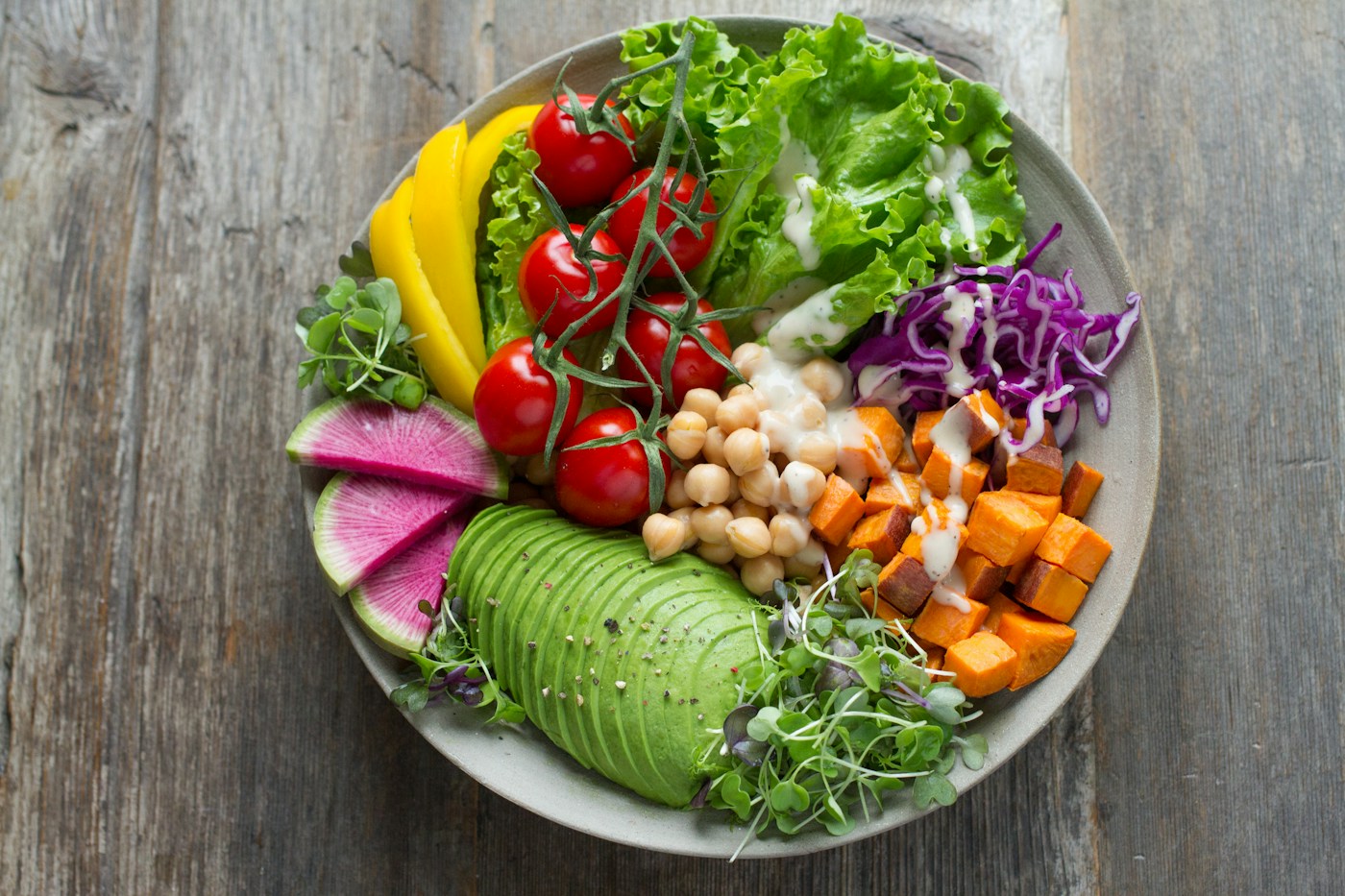
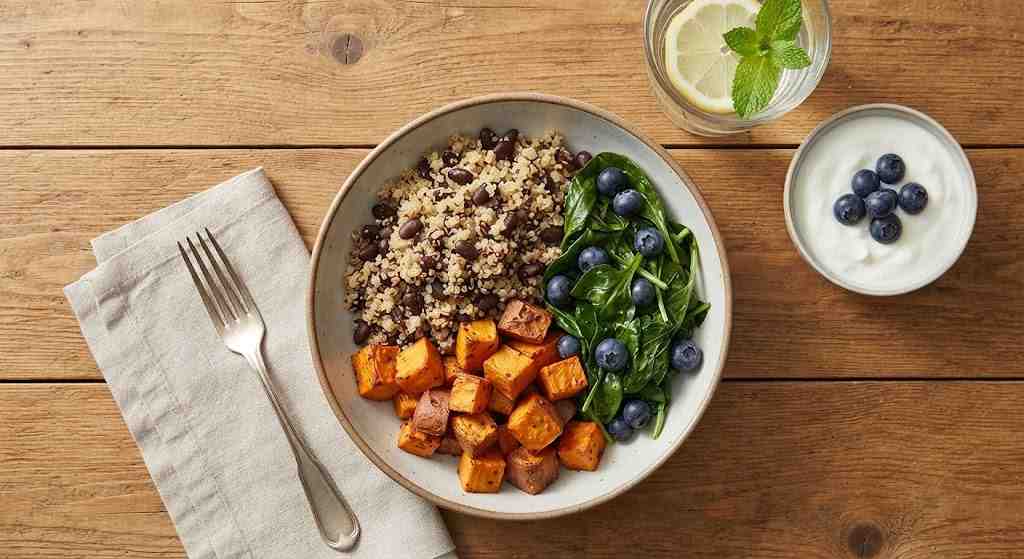
Replace the starch base when possible. Ask for extra vegetables instead of rice, a lettuce wrap instead of a bun, or a salad instead of fries. Most restaurants accommodate this without issue.
Choose water, unsweetened iced tea, or sparkling water. Restaurant beverages are calorie and sugar landmines — lemonade, sweetened teas, juices, and sodas can add 30–60g of sugar before food arrives.
American and Casual Dining
Best choices: Grilled protein (chicken, salmon, steak) with a double vegetable side substitution for starch. House salads with dressing on the side. Bunless burgers with extra lettuce and tomato. Egg-based breakfasts without toast or with one slice of whole grain.
Watch out for: Breaded and fried proteins (chicken tenders, fish and chips), large pasta portions, sweetened barbecue sauces on ribs, "loaded" potato skins, and the free breadbasket that arrives before the meal. Politely decline or move the breadbasket to the far end of the table.
Smart swap: At burger chains — order protein-style (lettuce wrap instead of bun) and choose a side salad or apple slices instead of fries. This removes approximately 60–80g of carbohydrates from a standard combo meal.
Mexican and Tex-Mex Restaurants
Best choices: Fajita plates without the tortillas (or with 1 corn tortilla rather than 2–3 flour tortillas — corn tortillas have lower glycemic impact than flour). Grilled chicken or fish proteins. Black beans instead of refried beans (lower fat, higher fiber). Guacamole (healthy fat that slows glucose absorption). Salad bowl bases with protein — most Mexican chains now offer burrito bowl options that are naturally blood-sugar-friendly.
Watch out for: The complimentary chips and salsa (nearly unlimited refined carbohydrate with little satiety — limit to a small handful or skip). Flour tortillas (1 large flour tortilla = 30g+ carbohydrates). Rice (often the largest carbohydrate contributor — request extra vegetables instead). Margaritas (very high sugar content).
Chinese and Asian-American Restaurants
Best choices: Steamed proteins with vegetables and sauce on the side. Moo Goo Gai Pan. Stir-fried proteins (tofu, shrimp, chicken) with extra vegetables. Hot and sour soup or egg drop soup as a starter — both are low-carb and provide satiety before the main course. Request brown rice instead of white (though both are high-GI — treat rice as a small side, not a base).
Watch out for: Sweet and sour dishes (very high added sugar), General Tso's and Orange Chicken (breaded, fried, heavily sweetened sauce — very high glycemic impact), fried rice (combines refined carbohydrates with oil), lo mein and chow mein noodles, and wonton soup (noodles add significant carbohydrates).
Italian Restaurants
Best choices: Grilled fish or chicken entrees without pasta. Italian salads as a substantial starter (arugula, antipasto). Protein-based dishes like chicken piccata or osso buco with vegetables instead of pasta. If ordering pasta, choose a half-portion and supplement with a protein and salad — pasta al dente has a lower glycemic impact than fully cooked pasta.
Watch out for: Bread and olive oil before the meal (skip or limit strictly), large pasta portions as the main course (a full restaurant serving can contain 80–100g of carbohydrates), heavy cream sauces that mask the carbohydrate content of the accompanying pasta, and tiramisu or gelato desserts with very high sugar content.
Indian Restaurants
Best choices: Tandoori proteins (chicken, fish, paneer) — marinated and grilled, high protein, minimal carbohydrates. Lentil dishes (dal) — high fiber and protein, moderate glycemic impact. Raita (yogurt-based condiment) instead of sugary chutneys. Saag paneer (spinach and cheese). Request cauliflower rice instead of basmati where available.
Watch out for: Naan bread (1 piece = 30–45g carbohydrates from refined flour), large servings of basmati rice, deep-fried starters (samosas, pakoras), sweet mango lassi (very high sugar), and biryani dishes where rice is the primary component.
Japanese Restaurants and Sushi
Best choices: Sashimi (raw fish without rice — high protein, essentially zero carbohydrates) as the best blood-sugar choice at a sushi restaurant. Edamame as a starter (protein and fiber, very low glycemic impact). Miso soup (low calorie, provides umami satisfaction that reduces overeating). Grilled yakitori (skewered grilled proteins). Salads with ginger dressing on the side.
Watch out for: Sushi rolls — each piece contains approximately 20–30g of carbohydrates from white sushi rice, and most Americans eat 8–12 pieces per meal. Tempura (battered and fried). Teriyaki sauce (high added sugar — request it on the side). Sweet rice in rolls labeled as "spicy" or "special."
Fast Food — When There's No Other Option
Most major fast food chains now provide nutrition information online and at the counter. The most blood-sugar-friendly options across chains: grilled chicken sandwiches without the bun, salads with protein and dressing on the side, egg-based breakfast options without biscuits or hash browns, and burger patties ordered "protein style" (lettuce wrap). Avoid: value meals that bundle fries and soda with the main item — these add 80–120g of carbohydrates to any otherwise manageable meal.
Frequently Asked Questions
Should I check my blood sugar after eating at a restaurant?
Yes — checking blood sugar 1–2 hours after a restaurant meal is one of the most educational tools available for managing restaurant eating with diabetes. It shows how specific dishes at specific restaurants actually affect your individual blood sugar — which can vary significantly from predicted values due to restaurant-to-restaurant variation in preparation, portion size, and hidden ingredients. Over time, this data allows you to build a personal database of "safe" restaurant choices and serving sizes specific to your glucose response pattern. CGM (continuous glucose monitoring) makes this feedback loop even more informative and immediate.
Is it okay to eat dessert at a restaurant if I have diabetes?
Occasional dessert is compatible with diabetes management when planned for. Strategies that reduce dessert's glycemic impact: share one dessert among 2–4 people (reducing portion significantly), choose fresh fruit-based desserts over pastry and cake, eat dessert at the end of a protein and vegetable-rich meal (which slows glucose absorption), and account for the dessert in your day's carbohydrate total. The goal is not permanent deprivation but informed, planned inclusion — which is more sustainable and produces better adherence to overall dietary management than strict prohibition followed by guilt-driven overconsumption.
Medical Disclaimer: This article is for informational and educational purposes only. Dietary management of diabetes is highly individual and should be guided by your healthcare team and registered dietitian. Always work with your diabetes care provider for personalized meal planning guidance. Never adjust diabetes medications based on dietary changes without medical supervision.