Electrolytes — the electrically charged minerals that regulate fluid balance, nerve transmission, muscle contraction, and pH — are essential for basic biological function. When we sweat, urinate, or experience illness, we lose these minerals alongside fluid, and replacing them is necessary for maintaining energy, cognitive function, and physical performance. The modern solution — sports drinks, electrolyte powders, and enhanced waters — is effective but comes bundled with added sugars, artificial flavors, and a significant price premium over the whole food sources that provide the same minerals more completely.
Here's a complete guide to the most important electrolytes, their functions, the symptoms of deficiency, and the most practical natural electrolyte food sources available at any US grocery store.
Quick TakeawayThe five major electrolytes are sodium, potassium, magnesium, calcium, and chloride. A diet rich in whole fruits, vegetables, legumes, dairy, and unprocessed animal foods naturally replenishes all five. The average American is deficient in potassium and magnesium while consuming excess sodium — a pattern that whole food electrolyte sources directly correct.
The 5 Major Electrolytes — What Each One Does
Sodium — The Fluid Regulator
Sodium is the primary electrolyte in extracellular fluid (outside cells) and is essential for maintaining blood pressure, fluid balance, and nerve signal transmission. It is the electrolyte lost most significantly through sweat — which is why post-exercise electrolyte replacement must include sodium. Americans typically get too much sodium from processed foods rather than too little, making sodium deficiency (hyponatremia) primarily a risk during prolonged endurance exercise when large sweat losses occur alongside excessive plain water intake.
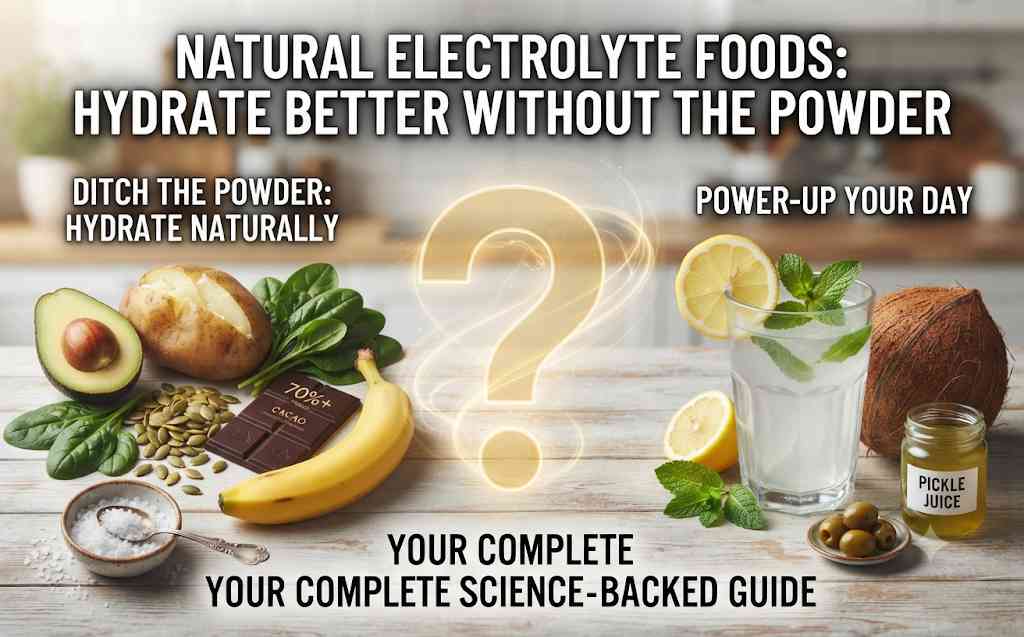
Best natural sources: Sea salt (the most direct source), pickles and pickle juice (surprisingly effective post-exercise electrolyte source — research has found pickle juice reduces exercise-associated muscle cramps faster than water), olives, miso, seaweed, and naturally sodium-containing whole foods like celery and beets.
Potassium — The Blood Pressure Balancer
Potassium is the primary intracellular electrolyte — working in direct opposition to sodium to regulate fluid balance, blood pressure, and heart rhythm. Adequate potassium intake reduces the blood pressure-raising effect of sodium and is associated with reduced stroke and cardiovascular disease risk. Only 3% of Americans meet the recommended 2,600–3,400mg daily intake. Potassium is lost through sweat and is the electrolyte most depleted by diuretic medications.
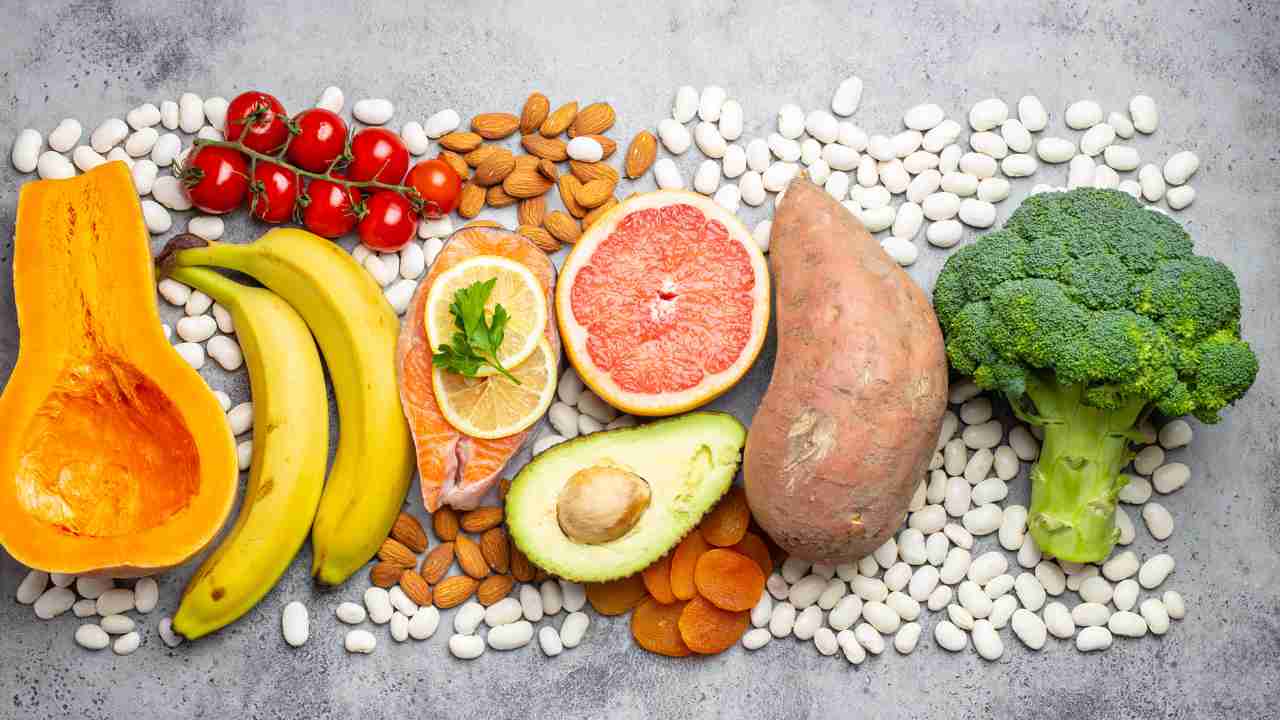
Best natural sources: Avocado (975mg per medium fruit — highest of any common food), white potato with skin (926mg), coconut water (600mg per cup — the most potassium-dense beverage available), spinach cooked (839mg per cup), kidney beans (713mg per cup), and banana (422mg each).
Magnesium — The Muscle Relaxer
Magnesium participates in over 300 enzymatic reactions and is essential for muscle relaxation, nerve function, blood sugar regulation, and sleep quality. It is the electrolyte lost in meaningful amounts through sweat during prolonged exercise — and the one most commonly depleted in athletes. Approximately 48% of Americans consume less than the recommended amount of magnesium. Low magnesium is one of the most common causes of muscle cramps, poor sleep, anxiety, and constipation.
Best natural sources: Pumpkin seeds (168mg per oz — highest food source per serving), dark chocolate 70%+ (64mg per oz), spinach cooked (78mg per cup), almonds (76mg per oz), black beans (60mg per half cup), avocado (58mg per fruit), and banana (32mg each).
Calcium — The Nerve and Muscle Mineral
While calcium is most associated with bone health, it also functions as a critical electrolyte in nerve signal transmission and muscle contraction. Every heartbeat, every muscle movement, every nerve impulse requires calcium. Calcium is not lost significantly through sweat under normal conditions, making it more of a baseline dietary necessity than an acute replenishment target — but chronic deficiency affects both electrolyte function and long-term bone health simultaneously.
Best natural sources: Plain yogurt (415mg per cup — highest dairy source), sardines with bones (325mg per 3oz — excellent non-dairy source), firm tofu made with calcium sulfate (200–400mg per half cup), kale cooked (180mg per cup), and sesame seeds (88mg per tablespoon).
Chloride — The Digestive Partner
Chloride works alongside sodium in maintaining fluid balance and is essential for producing stomach acid (hydrochloric acid) necessary for digestion. It is lost alongside sodium in sweat. In a whole-food diet, chloride adequacy follows sodium adequacy — they arrive together in most natural food sources and as table salt (sodium chloride). Isolated chloride deficiency is extremely rare.
Best natural sources: Table salt (sodium chloride), olives, seaweed, rye bread, and most whole foods naturally contain some chloride alongside their other mineral content.
The Best Natural Electrolyte Foods by Situation
After Exercise
Post-workout electrolyte replenishment needs to address sodium and potassium primarily, with magnesium support for muscle recovery. The most effective natural post-exercise electrolyte combination: a banana (potassium + magnesium) with a pinch of sea salt in water (sodium + chloride), or a glass of coconut water (potassium + magnesium + sodium naturally). For extended or very intense sessions, adding a small serving of pickles or pickle juice provides rapid sodium replacement.
During Illness (Vomiting or Diarrhea)
Illness-related fluid loss depletes sodium and potassium most acutely. A homemade oral rehydration solution using whole food ingredients: 1 liter of water, 6 teaspoons of honey or sugar (for glucose-facilitated sodium absorption — glucose is required for the sodium-glucose cotransporter mechanism), half a teaspoon of sea salt, and a squeeze of lemon or orange juice (potassium). This combination mimics the WHO oral rehydration solution using kitchen ingredients.
In Hot Weather
Heat and humidity significantly increase sweat rate and electrolyte losses throughout the day — even without formal exercise. Prioritize water-rich, naturally sodium-containing foods: watermelon (also contains lycopene and provides hydration fluid), celery sticks with hummus (sodium + potassium + protein), and coconut water throughout the day. Add a pinch of sea salt to your water bottle for sustained outdoor activity in heat.
DIY Natural Electrolyte Drink Recipe
The most effective homemade natural electrolyte drink — using only whole food ingredients: combine 16 oz of coconut water (potassium 600mg, magnesium 60mg), juice of one lemon or lime (vitamin C + potassium), a pinch of sea salt (sodium + chloride), and optionally a teaspoon of raw honey (glucose for absorption facilitation). This provides a comprehensive electrolyte profile comparable to commercial sports drinks — without artificial colors, flavors, or sweeteners.
Frequently Asked Questions
When do I actually need an electrolyte drink vs plain water?
Plain water is adequate for hydration during exercise lasting under 60 minutes at moderate intensity, during normal daily activity in comfortable temperatures, and for general daily fluid intake. Electrolyte replacement becomes important during exercise exceeding 60–90 minutes (especially in heat), during illness involving vomiting or diarrhea, after significant alcohol consumption (which causes electrolyte loss through increased urination), in very hot weather with high sweat rates throughout the day, and for people taking diuretic medications that increase electrolyte excretion. For the vast majority of casual exercisers and normal daily activity, eating a varied whole-food diet provides more than sufficient electrolyte replacement alongside plain water.
Is coconut water as good as sports drinks for electrolyte replacement?
Coconut water is significantly better than most sports drinks for potassium replacement (600mg per cup vs 30–50mg in most sports drinks) and provides natural magnesium. However, it contains less sodium than sports drinks — which matters during very prolonged or intense exercise where sodium losses are significant. For most recreational exercise and general hydration, coconut water is superior to commercial sports drinks. For endurance events lasting over 2 hours with heavy sweating, adding a small amount of sea salt to coconut water provides a more complete electrolyte profile than either alone.
Medical Disclaimer: This article is for informational and educational purposes only. People with kidney disease, heart conditions, or those taking medications that affect electrolyte balance should consult their healthcare provider before significantly changing their electrolyte intake from food or supplements.