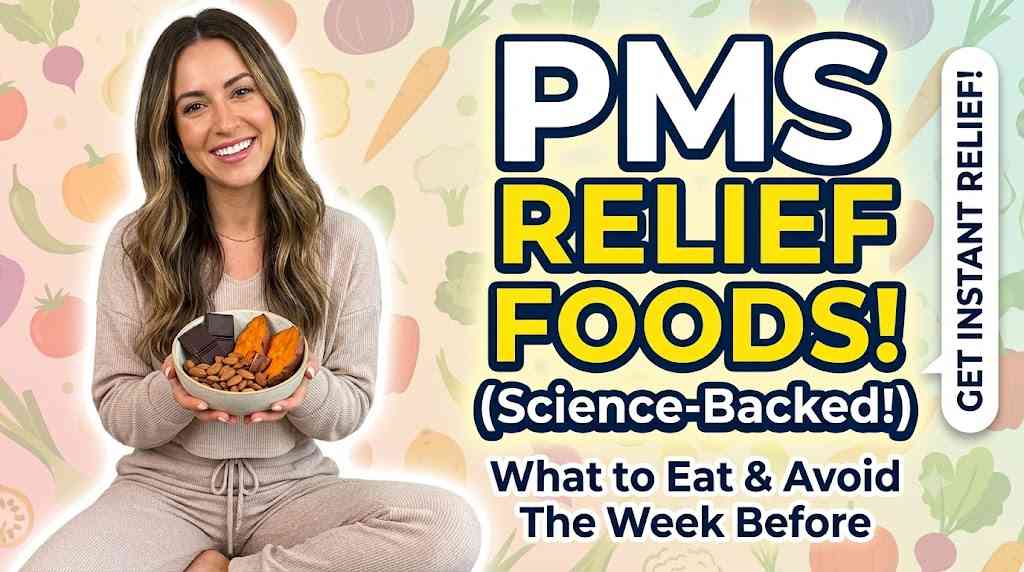
Premenstrual syndrome (PMS) affects an estimated 75–90% of women of reproductive age, with symptoms ranging from mild bloating and irritability to severe cramping, depression, and fatigue that significantly impair daily function. While the hormonal fluctuations of the luteal phase (the two weeks before menstruation) are unavoidable, research has established that dietary choices during this window meaningfully influence how intensely those hormonal shifts translate into symptoms. The right foods for PMS relief can make a genuine, measurable difference.
Quick TakeawayThe most evidence-supported dietary strategies for PMS relief center on three goals: stabilizing blood sugar (to reduce mood swings and cravings), reducing inflammation (to ease cramping and bloating), and supporting the neurotransmitter serotonin (which drops in the luteal phase and drives low mood, irritability, and carbohydrate cravings).
Why Diet Affects PMS Symptoms
During the luteal phase, rising and then falling progesterone and estrogen levels affect multiple body systems simultaneously. Falling serotonin — the neurotransmitter involved in mood and appetite regulation — explains the classic PMS cravings for carbohydrates (which temporarily raise serotonin) and the mood symptoms of irritability and low mood. Elevated prostaglandins (inflammatory compounds) cause uterine contractions that produce cramping. Fluid retention influenced by hormonal shifts produces bloating. Blood sugar instability during this phase is more pronounced, amplifying mood swings and energy crashes.
Each of these mechanisms has a dietary intervention point — meaning food choices can meaningfully address the underlying physiology rather than just masking symptoms.
1. Complex Carbohydrates for Mood and Cravings
The PMS carbohydrate craving is not a character flaw — it's your brain seeking a serotonin boost through the most efficient available pathway. Carbohydrates trigger insulin release, which clears competing amino acids from the bloodstream and allows tryptophan (serotonin's precursor) to cross the blood-brain barrier more easily. The craving is physiologically rational.
The key is choosing complex carbohydrates — oats, sweet potatoes, brown rice, lentils, quinoa — that provide a slow, sustained serotonin-supporting effect without the blood sugar spike and subsequent crash of refined carbohydrates. Eating a small complex carbohydrate snack in the evening (when PMS symptoms tend to peak) is a research-supported strategy for reducing mood symptoms and evening cravings.
2. Calcium-Rich Foods
Calcium is one of the most well-researched nutrients for PMS relief. A large study from Harvard found that women with the highest calcium intake were significantly less likely to develop PMS compared to women with the lowest intake. A randomized controlled trial found that 1,200 mg of calcium daily reduced overall PMS symptom scores by 48% over three months. Calcium appears to work by modulating the hormonal sensitivity of neurons and reducing the neurological symptoms of PMS including mood changes, pain sensitivity, and fatigue.
Best food sources for the week before your period: plain Greek yogurt (200mg per ¾ cup), kefir, sardines with bones (350mg per 3oz), kale (180mg per cooked cup), fortified plant milks, and aged cheeses.
3. Magnesium-Rich Foods
Magnesium levels drop in the luteal phase for many women, and this drop correlates with the severity of PMS symptoms. Research has found that magnesium supplementation reduces water retention, breast tenderness, bloating, and mood symptoms in women with PMS. Magnesium relaxes smooth muscle tissue (reducing cramping), regulates neurotransmitter function (supporting mood), and acts as a natural calcium channel blocker that reduces the pain sensitivity amplified in the premenstrual phase.
Prioritize in the week before your period: dark chocolate (70%+, 64mg per oz), pumpkin seeds (168mg per oz), spinach (78mg per cooked cup), almonds (76mg per oz), black beans (60mg per ½ cup), and avocado (58mg per medium fruit).
4. Omega-3 Rich Foods for Cramping
Menstrual cramps are caused by prostaglandins — inflammatory compounds that trigger uterine contractions. Omega-3 fatty acids directly reduce prostaglandin production by competing with the omega-6 fatty acids used to make them. A 2012 randomized trial found that omega-3 supplementation significantly reduced menstrual pain severity compared to ibuprofen in young women. Several other studies have confirmed omega-3s' effectiveness as a natural cramp-reduction strategy.
Prioritize omega-3 rich foods in the 1–2 weeks before your period: fatty fish (salmon, mackerel, sardines), walnuts, flaxseed, and chia seeds. For women who don't eat fish, algae-based omega-3 supplements provide the most effective cramp-reducing EPA and DHA forms directly.
5. Iron-Rich Foods After Your Period
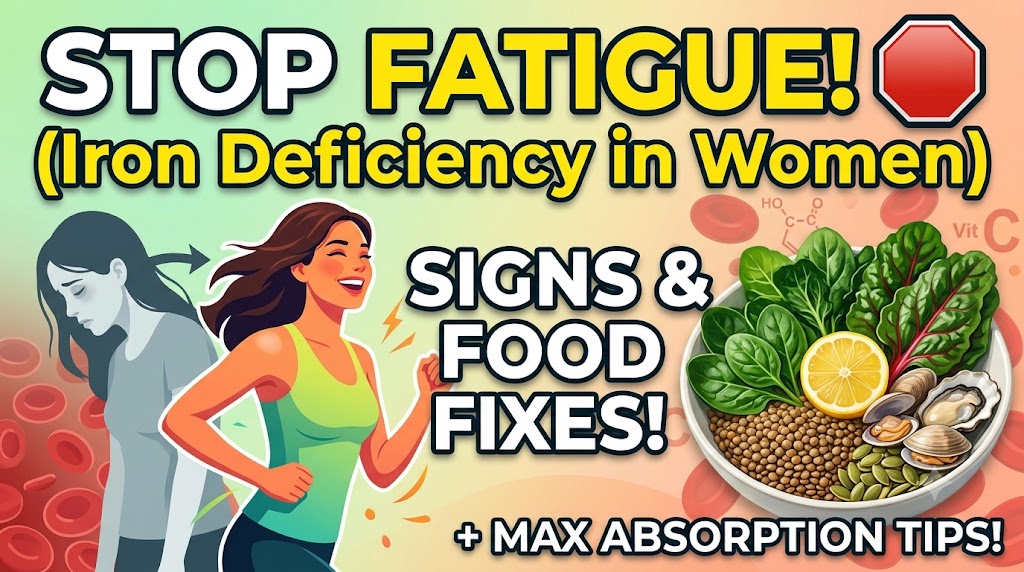
Heavy periods — a common PMS-adjacent complaint — deplete iron stores monthly. Fatigue, brain fog, and low mood in the week after menstruation are frequently worsened by this iron loss. Prioritizing iron-rich foods — red meat, lentils, spinach, pumpkin seeds — alongside vitamin C sources in the days following menstruation helps restore iron stores before the next cycle begins.
What to Reduce Before Your Period
Salt: Sodium promotes water retention that worsens bloating and breast tenderness. Reducing processed food intake in the luteal phase directly reduces PMS bloating for most women.
Alcohol: Alcohol disrupts serotonin metabolism, worsens sleep quality, and amplifies estrogen fluctuations — all of which worsen PMS mood symptoms. Many women find alcohol dramatically worsens PMS in the luteal phase even in moderate amounts.
Caffeine: Research has found associations between high caffeine intake and increased PMS severity — particularly breast tenderness and irritability. Reducing to one coffee daily in the week before your period is worth trialing.
Refined sugar: Blood sugar swings amplify mood instability that's already heightened by hormonal shifts. Avoiding high-sugar foods prevents the crashes that worsen irritability and fatigue.
Frequently Asked Questions
How quickly do dietary changes improve PMS symptoms?
Most women notice meaningful improvement after 2–3 menstrual cycles of consistent dietary changes — not immediately within the first cycle. Calcium research found significant symptom reduction after three months. This timeline reflects the gradual nature of nutritional status changes (particularly magnesium and calcium stores) rather than rapid pharmacological effects. Track your symptoms across cycles to observe the cumulative improvement objectively.
Can vitamin B6 help PMS symptoms?
Yes — vitamin B6 is one of the most consistently researched nutrients for PMS mood symptoms specifically. B6 is a cofactor in serotonin and dopamine synthesis, and several studies have found that supplementation (50–100mg daily in the luteal phase) reduces mood-related PMS symptoms including depression, irritability, and anxiety. Food sources of B6 include chickpeas (highest food source at 1.1mg per cup), tuna, salmon, chicken breast, potatoes, and bananas. Discuss B6 supplementation with your healthcare provider — doses above 100mg long-term can cause nerve symptoms.
Medical Disclaimer: This article is for informational and educational purposes only. Severe PMS (PMDD) is a recognized medical condition requiring professional diagnosis and treatment. Always consult your healthcare provider for significant premenstrual symptoms that interfere with daily functioning.