Polycystic ovary syndrome (PCOS) affects approximately 10–13% of women of reproductive age, making it the most common hormonal disorder in this population. Despite its name, PCOS doesn't require the presence of ovarian cysts for diagnosis — it is characterized by a hormonal pattern of elevated androgens (male hormones like testosterone), irregular or absent ovulation, and in most cases, insulin resistance. The insulin resistance component is central: elevated insulin signals the ovaries to produce more androgens, creating a hormonal cycle that drives the most visible PCOS symptoms.
This insulin connection makes diet one of the most powerful levers available for PCOS management. These PCOS diet tips address the root hormonal drivers through practical, everyday food choices.
Quick TakeawayThe most evidence-supported dietary approach for PCOS is one that reduces insulin spikes — lower glycemic load, higher protein, adequate fiber, and anti-inflammatory fats. This approach directly reduces androgen production, supports more regular ovulation, and improves most PCOS symptoms over 8–12 weeks of consistent practice.
Why Diet Matters So Much for PCOS
In PCOS, the ovaries are hypersensitive to insulin — even small insulin spikes from refined carbohydrates trigger disproportionate androgen production. This is why the refined, high-glycemic American dietary pattern is particularly harmful for women with PCOS: frequent blood sugar spikes create a hormonal environment that continuously stimulates androgen production, worsening acne, hair loss, irregular cycles, and the weight gain pattern around the abdomen characteristic of PCOS.
Conversely, dietary changes that reduce insulin spikes — even without medication — can measurably reduce androgen levels, restore more regular menstrual cycles, and improve the full symptom picture within 2–3 months.
PCOS Diet Tip 1 — Eat Lower Glycemic Carbohydrates
Replacing high-glycemic refined carbohydrates with lower-glycemic alternatives is the single most impactful dietary change for insulin-driven PCOS. This means choosing: steel-cut or rolled oats instead of instant oatmeal, sweet potatoes instead of white potatoes, legumes instead of white rice, 100% whole grain bread instead of white bread, and whole fruit instead of juice. The goal is reducing the frequency and height of post-meal insulin spikes — not eliminating carbohydrates entirely.
Research has found that even a moderate reduction in dietary glycemic index produces significant improvements in insulin sensitivity, testosterone levels, and menstrual regularity in women with PCOS over 12 weeks.
PCOS Diet Tip 2 — Prioritize Protein at Every Meal
Protein blunts the insulin response to carbohydrates and provides sustained satiety — both of which are particularly beneficial for PCOS management. A higher-protein dietary pattern (25–30% of calories from protein) has been found in research to improve insulin sensitivity, reduce androgen levels, and support weight management in women with PCOS more effectively than a standard higher-carbohydrate diet.
Practical PCOS-friendly protein sources: eggs (particularly beneficial — research supports egg consumption for PCOS despite their cholesterol content), Greek yogurt, canned fish (tuna, salmon, sardines), chicken, legumes (chickpeas, lentils), and tofu. Aim for a protein source at every meal and snack.
PCOS Diet Tip 3 — Anti-Inflammatory Foods Daily
PCOS involves chronic low-grade inflammation that amplifies insulin resistance and androgen activity. An anti-inflammatory dietary pattern directly addresses this component. Research has found that PCOS patients following an anti-inflammatory diet showed improvements in insulin resistance, androgen levels, and inflammatory markers within 12 weeks.
Daily anti-inflammatory priorities: fatty fish or algae omega-3s, extra-virgin olive oil as the primary cooking fat, leafy greens at every meal, berries daily, turmeric in cooking (with black pepper to activate curcumin), and green tea replacing sugary beverages.
PCOS Diet Tip 4 — Inositol-Rich Foods and Supplementation
Inositol — specifically myo-inositol and D-chiro-inositol — has emerged as one of the most evidence-supported nutritional supplements for PCOS. Multiple clinical trials have found that myo-inositol supplementation (2–4g daily) improves insulin sensitivity, lowers androgens, reduces fasting glucose and insulin, and improves menstrual regularity comparably to metformin in women with PCOS, with significantly fewer side effects.
Food sources of inositol include citrus fruits, cantaloupe, beans, whole grains, and nuts. However, therapeutic amounts for PCOS typically require supplementation — discuss myo-inositol with your gynecologist or endocrinologist as a well-researched complementary option for PCOS management.
PCOS Diet Tip 5 — Reduce Ultra-Processed Foods and Added Sugar
Ultra-processed foods — packaged snacks, fast food, sugary beverages, refined flour products — produce rapid, high insulin spikes and contain inflammatory seed oils that compound PCOS-related inflammation. Reducing ultra-processed food consumption is the dietary change most consistently associated with improved insulin sensitivity in PCOS research. A practical target: cook the majority of meals from whole ingredients at least 5 days per week, replacing packaged convenience foods with simple whole-food alternatives.
Specific Foods to Prioritize
Cinnamon: Research has found cinnamon improves insulin sensitivity in PCOS. Add to oatmeal, coffee, or yogurt daily.
Spearmint tea: Several studies have found that spearmint tea (2 cups daily) reduces free testosterone levels in women with PCOS — a pleasant, accessible anti-androgen intervention.
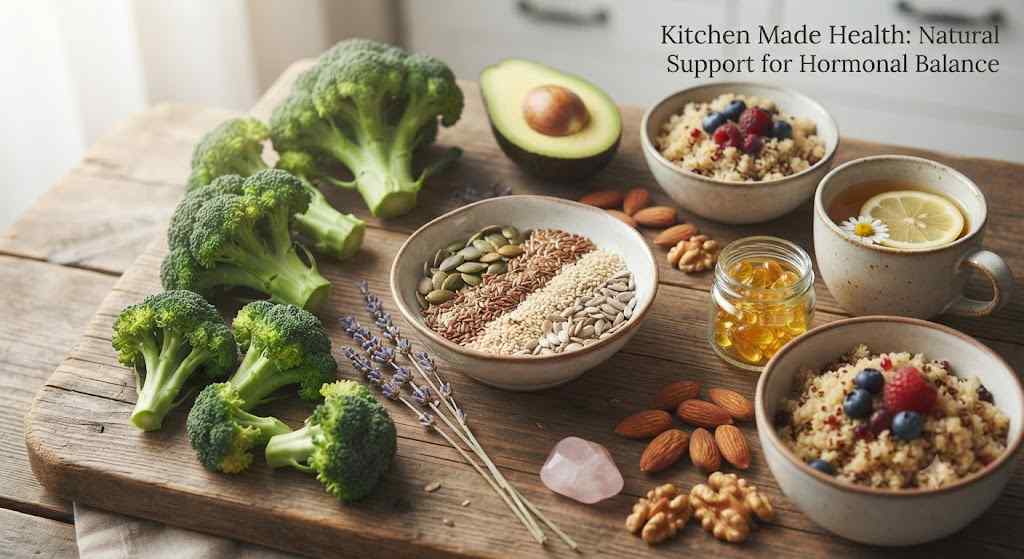
Flaxseeds: Rich in lignans that may modestly reduce androgen activity. One to two tablespoons of ground flaxseed daily is a practical addition.
Walnuts and almonds: Tree nuts improve insulin sensitivity and provide anti-inflammatory fats beneficial for PCOS management.
Frequently Asked Questions
Should women with PCOS follow a low-carb or ketogenic diet?
Low-carbohydrate and ketogenic diets have shown positive results for PCOS in several studies — significantly reducing insulin, testosterone, and weight. However, very low-carbohydrate diets can be difficult to sustain long-term and may not be appropriate for all women with PCOS. A moderate low-glycemic approach that reduces refined carbohydrates without eliminating them entirely is both effective and more sustainable for most women. If you're interested in a stricter low-carbohydrate approach, work with a registered dietitian experienced in PCOS management.
How long does it take for diet to improve PCOS symptoms?
Research studies typically show measurable improvements in insulin sensitivity, androgen levels, and menstrual regularity after 8–12 weeks of consistent dietary change. Skin improvements (acne) typically appear at 8–12 weeks as well. Menstrual cycle regularity can take 3–6 months to normalize, as the ovarian environment needs sustained hormonal change to restore regular ovulation. Track symptoms and blood markers at your follow-up appointments to observe progress objectively.
Medical Disclaimer: This article is for informational and educational purposes only. PCOS is a medical condition requiring diagnosis and management by a qualified healthcare provider. Dietary changes are complementary to, not a replacement for, medical treatment. Always consult your gynecologist or endocrinologist for PCOS management.